
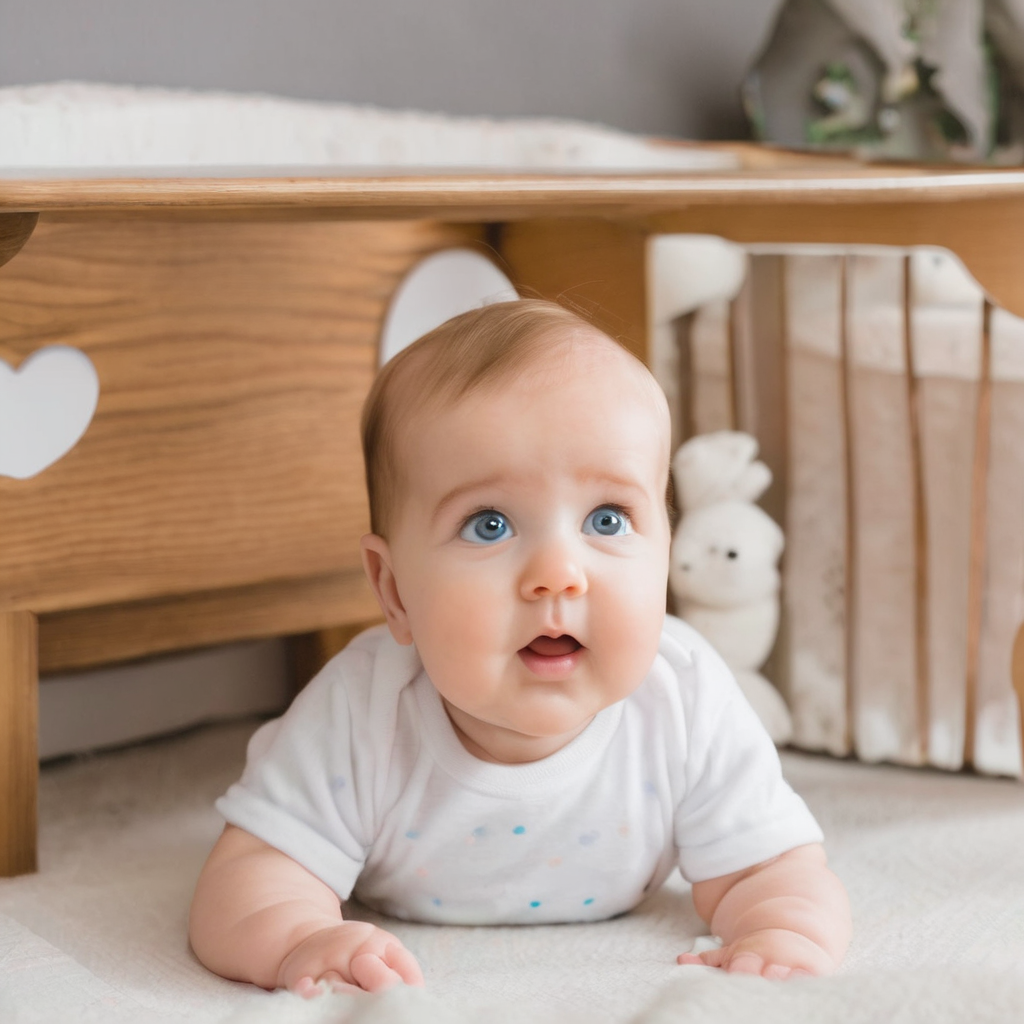
Among the many defining moments of early childhood, the ability to stand ranks high on the list of milestones that captivate parents and caregivers alike. Standing represents more than a physical achievement; it signals a child’s growing independence and readiness to engage with the world from a new vantage point. This phase bridges stationary infancy and active exploration, offering valuable insight into a baby’s muscular strength, balance, and neurological coordination.
For many babies, the first inclinations toward standing emerge between eight and ten months of age. During this window, leg muscles strengthen noticeably, and balance begins to sharpen. Infants often reveal their intent by pulling themselves upright against furniture, crib rails, or a caregiver’s hands. These early attempts are fueled by curiosity and persistence, as babies experiment with gravity and posture in earnest.
With repeated practice, supported standing becomes more controlled and deliberate. Babies learn to distribute weight through their legs while stabilizing their core, gradually refining coordination across multiple muscle groups. Sensory feedback—particularly from joints and muscles—helps them gauge position and adjust posture. A thoughtfully arranged environment, complete with sturdy surfaces and soft flooring, can make these explorations both safe and rewarding.
Eventually, supported standing evolves into brief moments of independence. Commonly occurring between twelve and fourteen months, this transition reflects the culmination of months of effort and adaptation. Babies may pause mid-play to stand unaided for a few seconds or take tentative sideways steps while gripping furniture. These fleeting victories are essential rehearsals for the larger goal of independent movement.
Creating an encouraging atmosphere during this stage is essential. Clear floor space, stable furniture, and vigilant baby-proofing allow infants to practice freely without unnecessary risk. Equally important is emotional reinforcement—smiles, applause, and verbal encouragement strengthen confidence and motivation. As standing becomes more frequent, a baby’s environment must evolve alongside their expanding abilities.
As confidence grows, standing naturally blends into early walking behaviors. Babies begin shifting weight from one foot to the other, experimenting with forward motion while holding onto objects or hands. This transitional phase demands patience and reassurance, as falls are inevitable and learning is nonlinear. Gentle guidance helps babies trust their bodies as they navigate this unfamiliar territory.
It’s important to remember that developmental timelines are fluid. Some babies stand earlier, others later, and both paths can be entirely healthy. Comparing milestones often creates unnecessary concern. What matters most is steady progress, curiosity, and engagement. Recognizing and celebrating incremental achievements fosters a supportive learning atmosphere.
Interactive play can further enrich this stage of development. Activities that encourage movement—such as music-based play, soft obstacle arrangements, or reaching games—help strengthen balance and coordination. These moments also deepen caregiver-child bonds, blending physical growth with emotional connection.
If concerns arise regarding delayed standing or uneven progress, consulting a pediatrician or developmental specialist is a prudent step. Professional guidance can clarify expectations, identify potential challenges, and offer reassurance. Early observation and support ensure that children receive the resources they need to thrive.
Ultimately, the moment a baby begins to stand is a powerful symbol of growth and readiness. It marks the beginning of a more mobile, exploratory chapter in development. With patience, encouragement, and a nurturing environment, parents can support their child through this transformative phase, laying a strong foundation for confident movement and discovery in the months ahead.