Daily Routine for Stay-at-Home Moms: Realistic & Stress-Free

Daily Routine for Stay-at-Home Moms

Managing a household while raising children remains one of the most demanding responsibilities. It often feels like the list of chores never ends. Finding a daily routine for stay-at-home moms (realistic & stress-free) can change your whole perspective on motherhood. A solid plan allows you to balance your family’s needs with your personal well-being. It … Read more


What No One Tells You About Becoming a Mom

What No One Tells You About Becoming a Mom Starting families brings big changes that most books often skip. While joy fills the days, the change includes shifts in daily life and roles that feel quite new. Finding reliable motherhood advice helps parents handle these shifts with ease. From physical recovery to mood swings, knowing what to expect builds confidence during the first few months. Many parents keep certain hidden secrets tucked away, leaving others feeling slightly unprepared. This guide explores real parts of parenting that usually go unmentioned in daily talk. Embracing this path means learning to balance personal needs with baby demands. We provide insights into becoming a mom to ensure parents feel supported through every milestone and challenge. Understanding these hidden realities allows for stronger connections with partners and friends. Preparing for the mental shift ensures the change into parenthood remains positive for everyone involved. 1. Your Identity Will Shift in Ways You Never Imagined Motherhood brings about a significant shift in your identity, one that you may not be fully prepared for. As you navigate the journey of becoming a mom, you'll encounter numerous changes that can affect your sense of self. One of the most critical things to remember is that the person you were before becoming a mom still exists. While your role and responsibilities may change, your core identity remains intact. It's essential to hold onto this understanding as you adapt to your new life. The Person You Were Before Still Exists It's easy to get caught up in the idea that motherhood completely redefines who you are. However, your pre-motherhood identity is still a part of you. Reflecting on your past interests, values, and strengths can help you maintain a sense of continuity. For instance, if you were a career-driven individual before becoming a mom, you might need to adjust your professional goals or find new ways to pursue your passions. Here are a few tips to help you hold on to your pre-motherhood identity: Make time for activities you enjoyed before motherhood. Set realistic goals that align with your current situation. Stay connected with friends and colleagues who knew you before. Grieving Your Old Life Is Normal and Healthy It's normal to grieve the loss of your old life, including the freedom and spontaneity you once had. Acknowledging these feelings is a healthy part of the transition into motherhood. Here’s a comparison of common feelings new moms experience versus the reality: Common FeelingsRealityLoss of identityCore identity remains; roles changeComplete loss of freedomFreedom changes form; new priorities emergeOverwhelming responsibilityNew responsibilities; also, new strengths discovered Finding Your New Balance Takes Time Finding a new balance in life as a mom is a process that takes time. It's about learning to juggle your new responsibilities with your personal needs and desires. Here are some becoming a mother tips to help you find your balance: As you navigate this journey, remember that it's okay to not have all the answers right away. Seeking advice for new moms from those who have been through similar experiences can be incredibly helpful. By understanding that your identity evolves rather than disappears, you can better navigate the challenges of motherhood. With time, patience, and support, you'll find a new sense of self that incorporates your role as a mom. 2. The Physical Recovery Is More Intense Than Anyone Admits The journey of motherhood is often romanticized, but the harsh reality of postpartum physical recovery is rarely discussed. While new mothers are showered with congratulations and advice on caring for their newborn, the physical toll of childbirth is frequently overlooked. Understanding the physical recovery process is crucial for new mothers to navigate this challenging period. It's not just about healing from the birth itself, but also about the numerous physical changes that occur during the postpartum period. Your Body Needs Months, Not Weeks, to Heal The body undergoes significant changes during pregnancy and childbirth. It's common for new mothers to be told that their bodies will return to normal within a few weeks. However, the reality is that full recovery can take several months. The healing process involves not just the uterus returning to its pre-pregnancy size, but also the recovery of other bodily systems and the repair of any damage caused during delivery. For instance, women who have had a cesarean section need to allow their bodies time to heal from major surgery. This can involve managing pain, caring for the surgical site, and gradually returning to physical activities. Postpartum Symptoms No One Warns You About Many new mothers are surprised by the range of postpartum symptoms they experience. These can include: Physical pain and discomfort Fatigue and sleep disturbances Hormonal changes leading to mood swings Breast engorgement and nipple soreness for breastfeeding mothers Some of these symptoms are expected, but others, like postpartum hair loss or changes in bladder control, might come as a surprise. It's essential for new mothers to be aware of these potential symptoms to better cope with them. Postpartum SymptomCommon CausesTips for ManagementPhysical PainChildbirth, stitches, or cesarean sectionUse pain relief medication as directed, rest, and consider gentle exercisesFatigueLack of sleep, hormonal changesTake naps, ask for help with baby care, prioritize restHormonal ChangesDrop in estrogen and progesterone levelsPractice self-care, stay connected with loved ones, consider professional help if needed Long-Term Physical Changes Are Real While some physical changes are temporary, others can be long-term. For example, the skin may not snap back into place immediately after pregnancy, and some women experience changes in their feet size or pelvic floor strength. Understanding these potential long-term changes can help new mothers prepare for the journey ahead and seek appropriate motherhood advice when needed. Navigating the physical recovery after childbirth is a significant aspect of the parenting journey, filled with surprises and challenges. By being informed and prepared, new mothers can better handle the parenting surprises that come their way. 3. 10 Things No One Tells You About Becoming a Mom: The Loneliness Can Be Overwhelming Motherhood is frequently portrayed as a joyful, fulfilling experience, yet many new moms find themselves grappling with unexpected loneliness. This feeling can be intense and is often not discussed openly. Why Motherhood Feels Isolating Even in a Crowd One of the primary reasons motherhood can feel isolating is the significant change it brings to a woman's life. The focus shifts dramatically to the child, and while this is natural, it can lead to feelings of disconnection from previous social networks and interests. The shift in identity and priorities can make it challenging to maintain old friendships or find new ones that align with the new role as a mother. The Paradox of Never Being Alone Yet Feeling Lonely Many new mothers experience the paradox of never being alone with their baby yet feeling deeply lonely. This can be due to the lack of adult interaction or the feeling of being disconnected from the world outside the home. It's essential to acknowledge that this feeling is normal and that it's okay to seek out adult conversation and connection. Building Your Support System and Mom Community Building a support system is crucial for combating loneliness. This can involve joining mom groups, attending local parenting classes, or connecting with other mothers online. Creating a community of peers who understand the challenges and joys of motherhood can provide a sense of belonging and reduce feelings of isolation. By reaching out and connecting with others, new moms can find the support they need to navigate the challenges of motherhood and build a fulfilling life for themselves and their children. 4. You'll Question Every Single Decision You Make One of the most daunting aspects of becoming a mom is the sheer number of decisions you'll have to make daily. From feeding and sleeping schedules to healthcare choices and educational decisions, the weight of responsibility can be crushing at times. The Weight of Constant Choices Big and Small As a new mom, you'll face a myriad of decisions that can range from what to feed your baby to how to soothe their cries. These choices can be overwhelming, especially when you're already sleep-deprived and emotionally vulnerable. Making decisions becomes a daily challenge, and it's normal to feel uncertain about whether you're making the right choices for your child. Decision TypeCommon ConcernsMommy TipsFeedingBreastfeeding vs. formula feeding, introducing solidsConsult a lactation consultant, follow pediatrician's adviceSleepingEstablishing a bedtime routine, sleep trainingStart with a consistent routine, be flexibleHealthcareVaccination decisions, managing illnessesFollow CDC guidelines, consult with your pediatrician Mom Guilt Is Real and Relentless Mom guilt is a common phenomenon where mothers feel guilty about their decisions or actions as a parent. It's essential to recognize that mom guilt is normal and can stem from societal pressures, personal expectations, or comparisons with others. To manage mom guilt, it's crucial to focus on your own parenting style and what works best for your child, rather than comparing yourself to others. Learning to Trust Your Maternal Instincts As you navigate the challenges of motherhood, it's vital to learn to trust your instincts. Your maternal instincts are a powerful guide that can help you make decisions that are in the best interest of your child. Trusting your instincts takes time and practice, but it's a crucial aspect of becoming a confident and capable mother. By tuning into your inner voice and being open to learning and growth, you can develop the confidence to make decisions that work for you and your child. For more advice for new moms, consider reaching out to parenting communities or consulting with healthcare professionals who can offer guidance and support. 5. Your Relationship with Your Partner Will Change Dramatically Parenting surprises you in many ways, and one of the most significant changes you'll experience is in your relationship with your partner. The addition of a new baby brings about a mix of emotions, responsibilities, and challenges that can either strengthen or strain your relationship. As you navigate this new chapter, you'll encounter various adjustments that can impact your partnership. Understanding these changes can help you better prepare and maintain a healthy relationship with your partner. The Division of Labor Becomes a Real Issue One of the significant challenges new parents face is the division of labor. With the arrival of a baby, responsibilities increase, and the way you and your partner share these duties can become a point of contention. Key areas where division of labor becomes crucial include: Childcare responsibilities Household chores Financial management It's essential to communicate effectively and find a balance that works for both partners. Intimacy and Connection Look Different Now The arrival of a new baby can also affect the intimacy and connection between partners. The exhaustion and new responsibilities can make it challenging to maintain the same level of intimacy as before. However, this doesn't mean that intimacy is lost; it just evolves. Couples need to find new ways to connect and be intimate, even if it's just a quiet moment together after the baby is asleep. Communication Becomes More Critical Than Ever Effective communication is vital in any relationship, but it becomes even more critical when you're navigating the challenges of new parenthood together. Tips for improving communication: Schedule regular check-ins with your partner Be open about your feelings and needs Listen actively to your partner's concerns By prioritizing communication, you and your partner can work together to overcome the challenges that come with having a new baby. 6. Sleep Deprivation Affects Everything More Than You Think The lack of sleep that comes with having a new baby can be debilitating and affect new parents in ways they never thought possible. As a new mom, you're not just dealing with the physical exhaustion; you're also navigating the emotional and cognitive challenges that come with sleep deprivation. Sleep deprivation is a common challenge for new parents, and it's essential to understand its impact on overall well-being. The effects of chronic sleep loss can be far-reaching, influencing not just physical health but also mental acuity and emotional stability. The Cognitive Impact of Chronic Sleep Loss Chronic sleep deprivation can significantly impair cognitive function. Attention, memory, and decision-making skills are all affected when you're not getting enough rest. For new parents, this means that the already challenging task of caring for a newborn becomes even more daunting. Research has shown that sleep deprivation can lead to decreased reaction times, reduced problem-solving skills, and a general feeling of being mentally foggy. This can be particularly concerning for new moms who need to be alert and responsive to their baby's needs. Emotional Regulation Becomes Nearly Impossible Sleep deprivation not only affects cognitive function but also has a profound impact on emotional regulation. New parents often report feeling irritable, anxious, or overwhelmed due to lack of sleep. This emotional turmoil can strain relationships and make it challenging to enjoy the early days of parenthood. Moreover, the emotional regulation challenges posed by sleep deprivation can make it difficult for new parents to cope with the stress of caring for a newborn. It's essential for new moms to find support and strategies to manage their emotional well-being during this period. When Sleep Deprivation Actually Gets Better While it may seem like sleep deprivation is a permanent state for new parents, there is hope for improvement. As babies grow and develop, their sleep patterns become more predictable, and parents can start to enjoy more restful nights. Establishing a bedtime routine, sharing nighttime responsibilities with a partner, and seeking support from family and friends can all help alleviate the burden of sleep deprivation. By working together and finding strategies that work for them, new parents can navigate this challenging period and look forward to better-rested days ahead. For new moms seeking motherhood advice and sharing new mom secrets, understanding the impact of sleep deprivation is crucial. By acknowledging the challenges and finding ways to cope, new parents can thrive during this significant life change. 7. The Love You Feel Can Be Terrifying Motherhood brings with it a love so fierce and unconditional that it can be daunting, leaving you vulnerable in ways you never thought possible. This love is a double-edged sword; it's the source of your greatest joy and your deepest fears. As you navigate this new world of motherhood, you'll encounter feelings and emotions that you may not have anticipated. The depth of your love for your child can be overwhelming, and it's normal to feel scared or unsure about how to manage these new emotions. Vulnerability on a Whole New Level With motherhood comes a level of vulnerability that you may not have experienced before. You're no longer just responsible for yourself; you're now responsible for this tiny human who depends on you for everything. This can be a heavy burden to carry, and it's okay to acknowledge the fear that comes with it. To manage this vulnerability, it's essential to build a support system. This can include your partner, family, friends, and other mothers who are going through similar experiences. Having people you can rely on can make a significant difference in how you navigate the challenges of motherhood. The Anxiety That Comes with Fierce Love The love you feel for your child can also bring about anxiety. You may worry about their health, safety, and well-being, and these worries can be all-consuming at times. It's essential to recognize that these feelings are normal and that you're not alone in experiencing them. One way to manage this anxiety is to focus on what you can control. While it's natural to worry about the future or potential dangers, try to stay grounded in the present moment. Practice self-care, engage in activities that help you relax, and remind yourself that you're doing your best as a mother. Learning to Live with the Fear While it's impossible to eliminate the fear that comes with loving your child deeply, you can learn to live with it. It involves acknowledging your fears, seeking support when you need it, and finding ways to manage your anxiety. Here's a comparison of common fears experienced by new mothers and some tips on how to address them: FearTips to ManageFear for child's healthStay informed, follow pediatrician's advice, practice self-careFear of not being good enoughSeek support from other mothers, focus on the present, trust your instinctsFear for child's safetyCreate a safe environment, stay vigilant, educate yourself on safety measures As you journey through motherhood, remember that it's okay to feel scared or overwhelmed. You're not alone, and there are many resources available to support you. By acknowledging your fears and learning to manage them, you can navigate the challenges of motherhood with confidence. For more mommy tips and advice on navigating the ups and downs of motherhood, stay tuned for more insights into the 10 things no one tells you about becoming a mom. 8. Not Every Moment Will Feel Magical While motherhood is frequently portrayed as a magical journey, the truth is that it encompasses a wide range of emotions and experiences. The reality of being a mom involves not just the joyful moments, but also the challenging and mundane ones. The Pressure to Cherish Every Second There's a pervasive societal expectation that mothers should cherish every moment with their children. This pressure can be overwhelming, making moms feel like they're failing if they don't feel constant joy. The truth is, it's okay to not love every minute of motherhood. Acknowledging this can be liberating, allowing moms to be more honest about their experiences. It's normal to feel overwhelmed by the responsibility of caring for a new life. Moms often feel pressured to maintain a perfect image on social media. The expectation to be constantly happy can be damaging. Boredom and Monotony Are Part of Motherhood Motherhood involves a lot of repetitive tasks, from feeding and changing diapers to managing household chores. These tasks can be boring and monotonous at times. It's essential to acknowledge that these feelings are valid and that it's okay to feel this way. Moms can find ways to make these tasks more engaging or find moments to relax and recharge. Finding activities that bring joy can help break the monotony. Connecting with other moms can provide support and understanding. Allowing oneself to feel and express a range of emotions is crucial. Permission to Have Mixed Feelings Motherhood is a complex experience that elicits a wide range of emotions. It's essential for moms to give themselves permission to feel these emotions without judgment. By acknowledging and accepting their feelings, moms can be more authentic and compassionate towards themselves. This acceptance can lead to a more positive and realistic experience of motherhood. Moms should allow themselves to feel sad, angry, or frustrated when needed. Avoiding self-judgment can lead to a more peaceful and enjoyable parenting experience. Seeking support from loved ones or professionals can be beneficial. 9. Your Friendships Will Shift and Some May End Motherhood brings about numerous transformations, and one of the most notable is the shift in friendships. As you navigate the challenges and joys of becoming a mom, your social circle is likely to change in unexpected ways. One of the most significant changes you'll experience is the potential drifting apart from friends who don't have children. This can be due to differences in lifestyle, interests, or simply because your priorities have shifted. Why Childless Friends May Distance Themselves Friends without children might find it challenging to relate to your new experiences and the significant changes that come with motherhood. They may not understand the depth of your new responsibilities or the emotional rollercoaster you're on. This doesn't mean they've lost interest in you, but rather, they might not know how to connect with you in the same way as before. It's essential to be patient and understanding, as they may need time to adjust to your new role. The New Bonds You'll Form with Other Moms As you journey through motherhood, you'll likely form strong bonds with other moms who understand what you're going through. These connections can be incredibly valuable, providing a support system that understands the challenges and joys you face. Joining mom groups or attending parenting classes can be great ways to meet other mothers and form lasting friendships. Navigating Different Parenting Styles Among Mom Friends When you form friendships with other moms, you may encounter differences in parenting styles. It's crucial to respect these differences and focus on the common ground that brought you together. Open communication and a willingness to learn from one another can help you navigate these differences and build stronger, more meaningful friendships. By being open to new relationships and nurturing the friendships that are meaningful to you, you can build a supportive community that enriches your experience as a mother. 10. You'll Discover Strength You Never Knew You Had The journey of motherhood is not just about caring for a new life; it's also about discovering the depths of your own strength and resilience. As you navigate the challenges and joys of being a mom, you'll uncover capabilities and strengths you never thought you possessed. The Resilience Motherhood Builds in You Motherhood is a test of endurance, patience, and love. It pushes you to your limits, forcing you to tap into reservoirs of strength you didn't know you had. The sleepless nights, the constant worrying, and the overwhelming responsibility all contribute to building a resilience that is both surprising and empowering. Resilience is not just about bouncing back; it's about growing through the challenges. With each hurdle you overcome, you become stronger and more capable. This resilience is a valuable asset not just for motherhood but for all areas of your life. Advocating for Your Child and Yourself As a mother, you'll discover the strength to advocate not just for your child but also for yourself. This involves standing up for your child's needs, navigating the healthcare system, and making decisions that impact their well-being. Simultaneously, you'll learn to assert your own needs, ensuring that you remain healthy and happy. Advocacy is a powerful form of strength that is both protective and empowering. It's about being a voice for your child and for yourself, ensuring that your needs are met and your rights are respected. Speaking up for your child's needs in various settings, such as school or healthcare environments. Setting boundaries to protect your own physical and mental health. Seeking support when you need it, whether from family, friends, or professional services. Becoming the Mom You Need to Be The journey of motherhood is also one of personal growth and self-discovery. As you face the challenges and triumphs of being a mom, you'll learn more about yourself and what you are capable of. This process involves embracing your strengths, acknowledging your weaknesses, and evolving into the mom you aspire to be. Becoming the mom you need to be is about being authentic, compassionate, and strong. It's about finding a balance between being nurturing and being firm, between being supportive and being guiding. This journey is unique to each mother, and it's okay to take your time figuring it out. For new moms, it's essential to remember that you're not alone in this journey. Seeking advice, sharing experiences, and connecting with other mothers can provide valuable insights and support. Embracing the journey with an open heart and mind can help you discover the strength and resilience that lies within you. Conclusion Becoming a mom is a life-changing experience that brings both immense joy and unexpected challenges. As discussed in the previous sections, there are 10 things no one tells you about becoming a mom that can help you prepare for this new chapter. Understanding the realities of motherhood is crucial in navigating the ups and downs of parenting. By being aware of the potential changes and challenges, you can better cope with the transition and seek support when needed. Motherhood advice often emphasizes the importance of being prepared, but it's equally essential to be flexible and open to learning. Every mother's journey is unique, and what works for one may not work for another. As you embark on this journey, remember that it's okay to not have all the answers. Seeking support and guidance is a sign of strength, not weakness. By being realistic about the challenges and joys of motherhood, you can cultivate a more positive and resilient parenting experience.

Starting families brings big changes that most books often skip. While joy fills the days, the change includes shifts in daily life and roles that feel quite new. Finding reliable motherhood advice helps parents handle these shifts with ease. From physical recovery to mood swings, knowing what to expect builds confidence during the first few … Read more

How to Survive the First 30 Days After Giving Birth: A New Mom’s Guide

How to Survive the First 30 Days After Giving Birth

Welcome home with your tiny human, where bringing a newborn home feels magical yet totally exhausting. You might feel overwhelmed by lack of sleep and constant diaper changes during these early moments. This new mom survival guide helps navigate those initial weeks with confidence. Learning how to survive the first 30 days after giving birth … Read more

Life with Moms

Life with moms is a journey filled with moments of tenderness, strength, and unwavering love. From the first heartbeat felt within her womb to the comforting embrace in times of need, a mother’s presence shapes our existence in profound ways. She is the architect of our earliest memories, the keeper of our secrets, and the … Read more

Staying Healthy After Giving Birth

Emerging from childbirth, a mother’s focus on her vitality and holistic well-being becomes paramount as she traverses the labyrinthine journey of the postpartum landscape. This interval is often punctuated by profound corporeal shifts, emotional turbulence, and lifestyle metamorphoses that necessitate meticulous attention and tender care. Preserving one’s health in the aftermath of birth is indispensable—not … Read more

Preparing for Life With a Newborn

Embarking on the journey of life with a newborn is a tapestry woven with exhilaration and daunting anticipation. The arrival of a baby ushers in unparalleled joy yet demands meticulous forethought and preparation. From orchestrating a nurturing nursery to mastering the art of infant care, there exists a myriad of considerations to navigate before your … Read more

New Mom Time Management

Becoming a new mom is a life-changing experience filled with love, joy, and endless responsibilities. Managing time effectively becomes crucial for new moms as they juggle caring for their newborns, household chores, self-care, and possibly work commitments. Time management for new moms is a skill that can be learned and perfected with practice and patience. … Read more

How to Choose Baby Products Safely

Selecting baby products often feels like navigating a crowded bazaar with a fragile treasure in your arms. For new parents, abundance can be as daunting as scarcity. Shelves groan under endless choices, each promising comfort, convenience, or brilliance. Yet beneath the marketing gloss, one principle must eclipse all others: safety. Every crib slat, stroller buckle, … Read more

Baby Diapering Basics

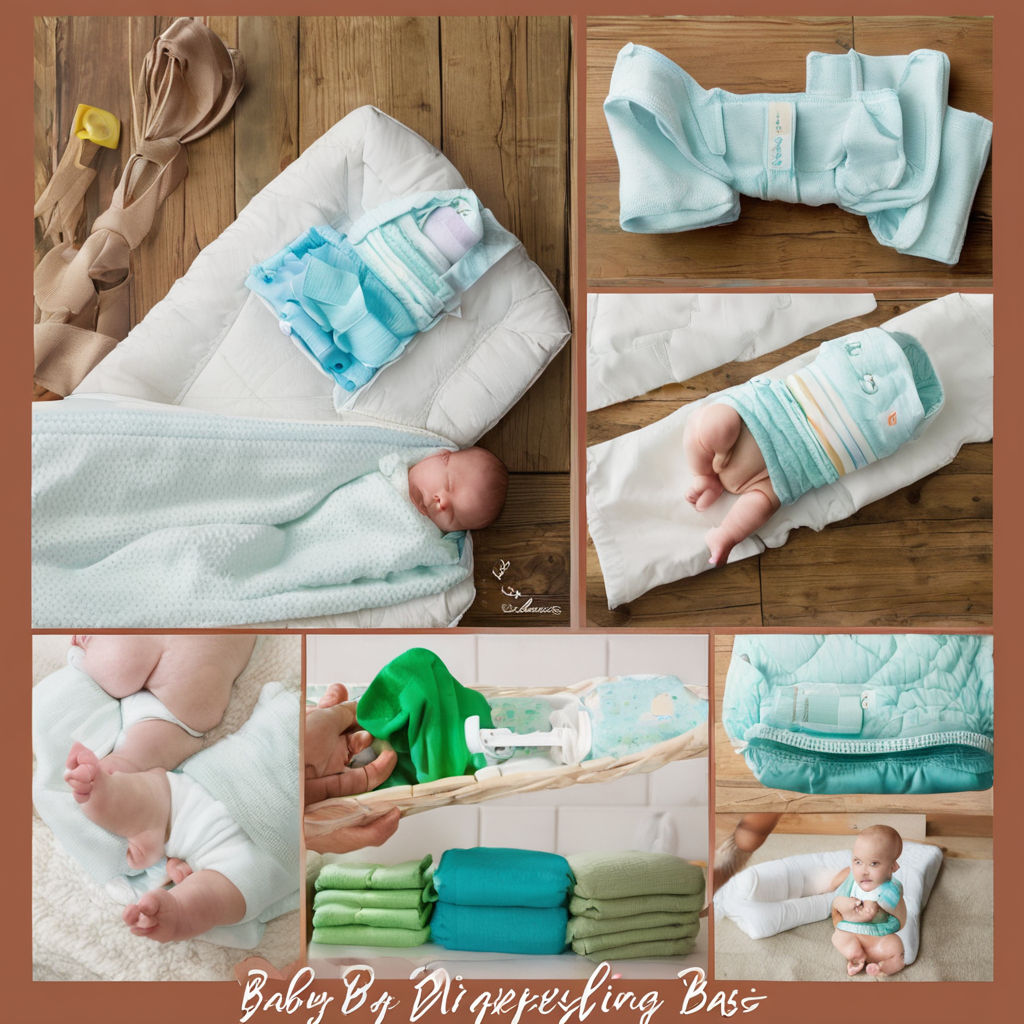
Diapering is one of those everyday rituals that quickly becomes part of life with a baby. For new parents, it can feel a little daunting at first; for experienced caregivers, it’s second nature. Either way, understanding the fundamentals of baby diapering is key to keeping your little one comfortable, clean, and happy. With the right … Read more

Baby Bathing Tips

Bathing a baby can be one of the sweetest moments of early parenthood—warm water, tiny splashes, and that unmistakable baby smell afterward. Still, for many parents, especially those doing it for the first time, bath time can feel a little intimidating. The good news is that with a few simple tips and a calm approach, … Read more