
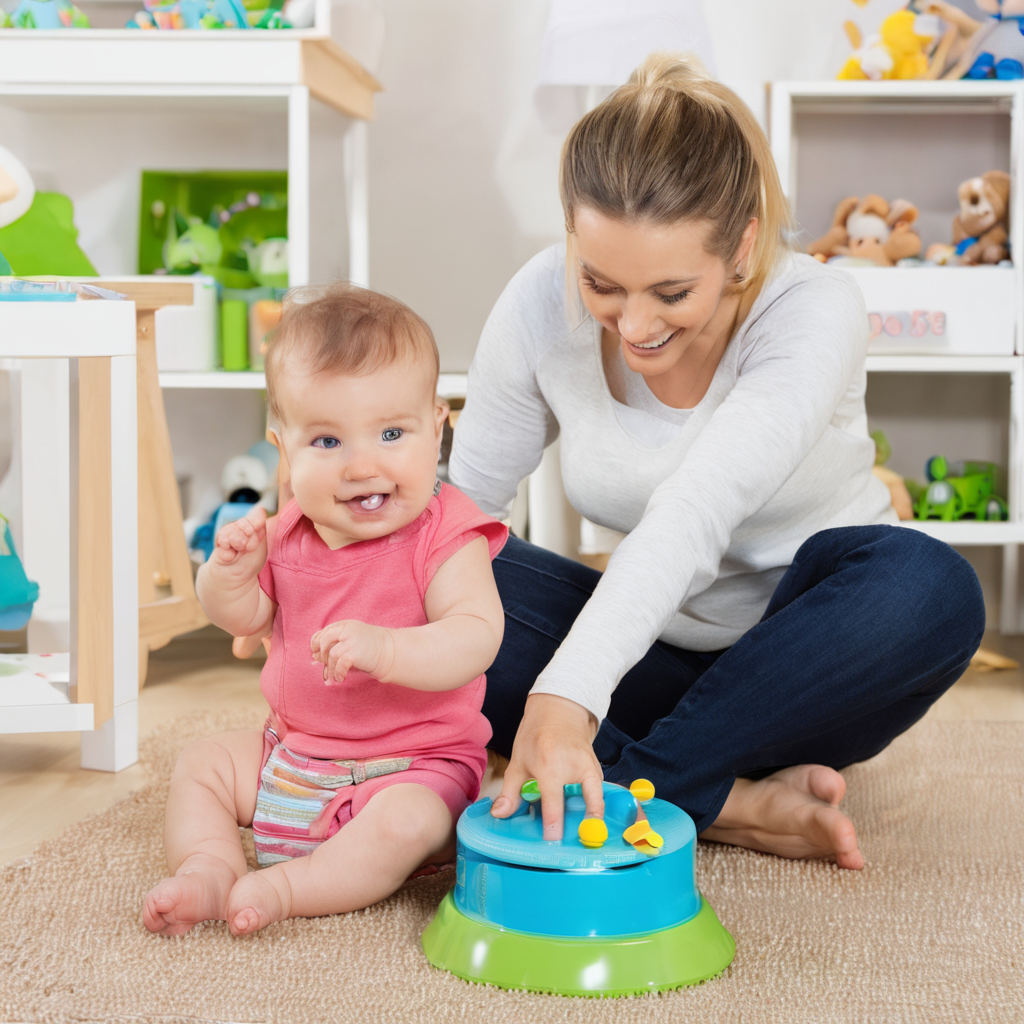
The first year of a baby’s life unfolds as a sequence of remarkable transformations. From tentative rolls to purposeful crawls, each milestone reshapes how a child experiences the world. Among these achievements, sitting independently stands out as a quiet but powerful turning point. It signals rising muscular strength, sharpened coordination, and a growing sense of control. For parents, this moment feels especially rewarding—it invites face-to-face interaction and grants babies a brand-new vantage point on their surroundings. Yet the question often lingers: when does this ability truly emerge, and what influences its arrival?
Early Signs of Readiness
Most babies begin displaying early indicators of sitting readiness somewhere between four and seven months. During this window, many infants push up on their hands while lying on their stomachs, engaging the muscles that will later support an upright posture. This groundwork is essential. As core strength deepens and balance becomes less fragile, babies often transition into supported sitting—steadying themselves with their hands or resting against soft cushions for reassurance.
Timelines Are Flexible, Not Fixed
Development rarely adheres to a rigid calendar. While some babies sit independently as early as four months, others take their time, achieving this skill closer to seven or even eight months. Genetics, muscle tone, daily movement, and opportunities to practice all shape this timeline. Variation is not a warning sign; it is a natural reflection of individuality. Progress unfolds differently for every child.
Encouraging Strength and Stability
Parents can gently nurture this milestone through intentional play. Supervised tummy time remains one of the most effective ways to build the neck, back, and abdominal muscles required for sitting. Strategic motivation also helps—placing toys just beyond easy reach encourages babies to stabilize themselves as they stretch and grasp. These small challenges quietly strengthen coordination and endurance.
Exploration From a Seated View
As confidence grows, babies rarely remain still. They lean forward, twist their torsos, and pivot to survey their environment. These subtle movements refine balance and spatial awareness, laying essential groundwork for upcoming milestones such as crawling, pulling to stand, and cruising. Sitting becomes less about staying upright and more about engaging with the world from a position of control.
Safety Comes First
A secure environment is critical during the early stages of independent sitting. Babies are still mastering balance, and unexpected tumbles are common. Surrounding them with soft padding, clearing nearby hazards, and maintaining close supervision reduces the risk of injury. Even brief moments of independence should be monitored carefully until stability becomes reliable.
When Extra Support Is Needed
If a baby appears resistant to sitting or struggles significantly with posture and balance, professional guidance can be valuable. A pediatrician or healthcare provider can evaluate development and recommend supportive exercises or activities. Addressing concerns early often leads to stronger outcomes and reassures parents navigating uncertainty.
Celebrating the Small Wins
Every second spent sitting unsupported is a victory worth acknowledging. Whether a baby balances briefly or reaches for a cherished toy while upright, these moments reinforce confidence and self-belief. Recognition and encouragement transform effort into motivation, helping babies persist through trial and error.
Final Thoughts
Learning to sit independently is more than a physical accomplishment—it is a gateway to engagement, exploration, and emerging independence. With patience, thoughtful support, and a safe space to practice, parents can guide their babies through this milestone with reassurance and pride. Progress may vary, but in time, every baby finds their balance and moves forward into the next chapter of growth.