
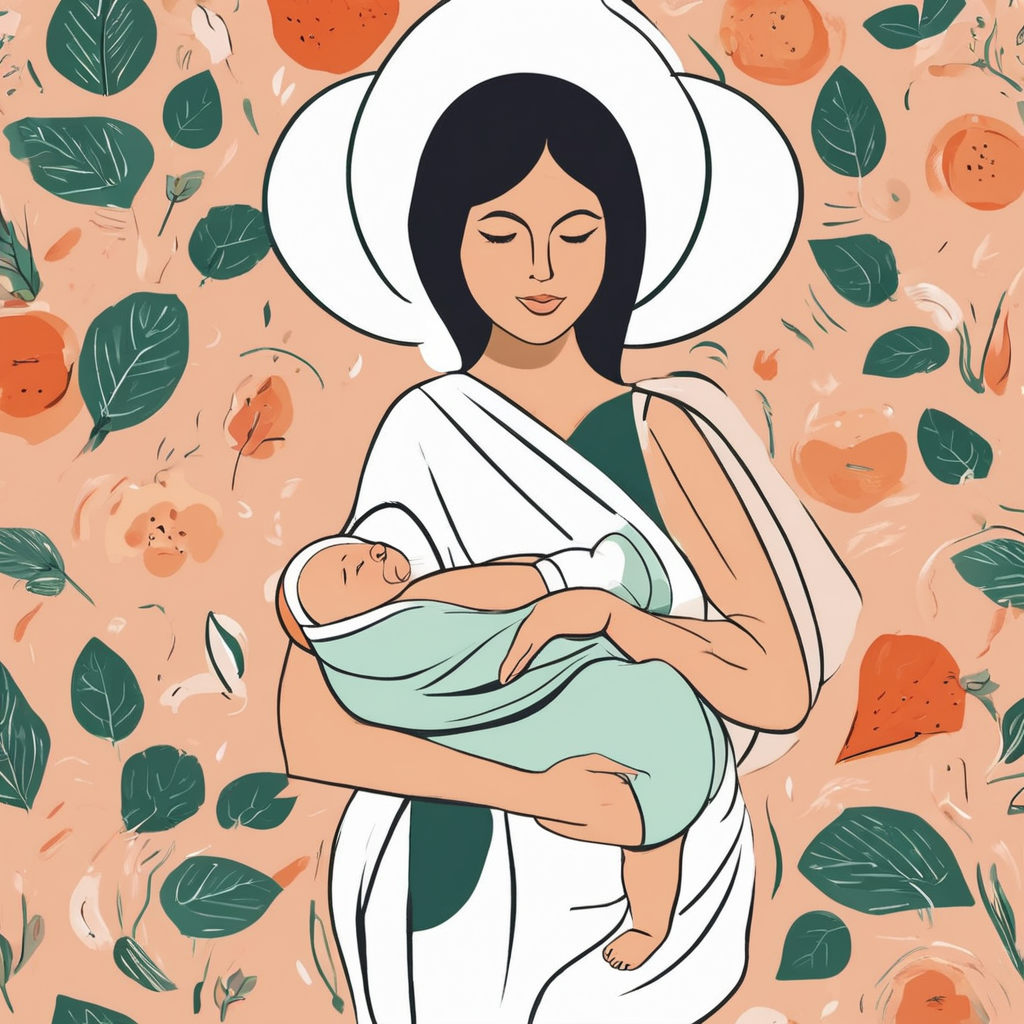
Emerging from childbirth, a mother’s focus on her vitality and holistic well-being becomes paramount as she traverses the labyrinthine journey of the postpartum landscape. This interval is often punctuated by profound corporeal shifts, emotional turbulence, and lifestyle metamorphoses that necessitate meticulous attention and tender care. Preserving one’s health in the aftermath of birth is indispensable—not solely for personal rejuvenation but equally for nurturing the nascent life now entrusted to her. In this discourse, we shall delve into an array of strategies and counsel designed to empower new mothers in safeguarding their health while acclimating to the postnatal rhythm of life.
Primordial among these considerations is the sanctity of repose. The postpartum epoch exacts both physical tolls and emotional oscillations, making it crucial to heed the body’s subtle intimations and secure sufficient restorative sleep. The ravages of sleep deprivation extend beyond mere fatigue, undermining both corporeal resilience and mental equilibrium. Napping alongside the infant and enlisting the support of kin or confidants for brief respites can cultivate essential restoration.
Concomitantly, alimentation emerges as a cornerstone of recuperation. A nutritive regimen abundant in verdant vegetables, succulent fruits, whole grains, lean proteins, and salutary lipids replenishes reserves depleted through parturition and fortifies the recuperative machinery of the body. For lactating mothers, adequate hydration and caloric intake are imperative to sustain milk production and maintain physiological harmony.
Physical mobilization, while necessitating circumspection, is another pivotal element in postnatal recuperation. Gentle corporeal activity—ambulation, restorative yoga, or curated postnatal exercises—can catalyze mood elevation, invigorate energy stores, and enhance overall corporeal wellness. Consultation with a healthcare professional prior to embarking upon an exercise regimen ensures safety and alignment with individual recovery trajectories.
Equally, the psyche demands attentive nurturing. The postnatal phase is often a mosaic of elation, trepidation, and melancholia. Seeking solace and guidance from intimate circles, medical advisors, or maternal support networks can mitigate the sense of overwhelm and scaffold emotional resilience.
Self-regard is not merely indulgent but essential. Allocating intervals for restorative pursuits—be it a languid bath, literary immersion, or contemplative strolls—attenuates stress and augments mental vitality. Embracing self-care as a non-negotiable facet of motherhood fortifies both personal well-being and familial stability.
Navigating stress constitutes a critical endeavor. The transition into motherhood is inherently laden with pressures; thus, cultivating salutary coping mechanisms—meditative breathing, mindfulness rituals, or reflective meditation—can imbue a sense of tranquility and equilibrium amidst the flux.
Fostering communion with fellow new mothers engenders both companionship and pragmatic guidance. Engaging in maternal collectives, educational parenting forums, or digital communities alleviates isolation while enabling the exchange of experiential wisdom and empathetic counsel.
Persistent vigilance through medical oversight is non-negotiable. Regular postpartum consultations facilitate the monitoring of both somatic and emotional health, while open discourse with healthcare providers ensures tailored guidance and timely intervention where necessary.
As the mother acclimatizes to her evolving role and embraces the nuances of postnatal existence, the essence of patience and self-compassion cannot be overstated. Emotional oscillations and logistical challenges are normative; extending oneself grace and soliciting aid when necessary nurtures both maternal and neonatal well-being. Prioritizing personal health and equilibrium equips the mother to traverse this transformative epoch with resilience, mindfulness, and an enduring capacity for care.