Maintaining a clean home takes on an entirely new meaning once a baby enters the picture. Floors become play spaces, everyday objects turn into tasting samples, and the smallest residue can suddenly matter. Babies explore their world with unfiltered curiosity, often using their mouths as the primary tool of discovery. For this reason, cleaning around infants must balance effectiveness with safety, favoring gentle methods that protect developing bodies without compromising hygiene.
A sensible starting point is learning to read cleaning product labels with intention. Not all products marketed as “fresh” or “powerful” are suitable for homes with babies. Seek out formulas described as non-toxic, plant-based, or baby-safe, and steer clear of ingredients such as ammonia, chlorine bleach, parabens, and synthetic solvents. These substances can irritate sensitive skin, disrupt breathing, and linger on surfaces long after use.
Areas your baby frequently touches deserve extra consideration. High chairs, play mats, toys, and countertops can be cleaned effectively with mild solutions that pose no health risk. Homemade cleaners made from simple ingredients—such as diluted vinegar, baking soda, and warm water—offer a surprisingly effective way to cut through grime while remaining gentle enough for baby spaces. Clean does not have to mean chemically aggressive.
Safe storage is just as important as product choice. Cleaning supplies should never be accessible to curious hands. Lock cabinets securely or place products on high shelves, well out of reach. Childproof locks provide an added layer of protection and reduce the risk of accidental exposure to liquids, powders, or sharp tools.
Air quality matters when cleaning in a baby’s environment. Even safer products can release odors or fine particles that linger in enclosed spaces. Opening windows, running fans, or cleaning while your baby naps in another room helps reduce inhalation risks. Whenever possible, avoid cleaning heavily trafficked baby areas while your child is nearby.
Steam cleaning deserves special mention as a powerful, chemical-free alternative. By using heated water vapor, steam cleaners sanitize floors, toys, and fabric surfaces without introducing toxins. This method is particularly useful for homes where babies crawl, roll, and spend extended time close to the ground.
Fragrance is another hidden concern. Artificial scents found in cleaners, sprays, and air fresheners often contain compounds that irritate delicate skin and immature respiratory systems. In nurseries and play areas, unscented products or those lightly scented with natural essential oils are a safer choice. Clean air should smell neutral, not perfumed.
Laundry habits also play a role in maintaining a baby-safe environment. Baby clothes, blankets, and bedding should be washed with hypoallergenic detergents free from dyes and fragrances. These formulas reduce the risk of rashes and discomfort, especially for babies with sensitive skin.
Feeding accessories require consistent attention. Bottles, pacifiers, teethers, and pump parts should be washed thoroughly with hot, soapy water or cleaned in a dishwasher when appropriate. Regular sanitation helps prevent bacterial buildup that could compromise your baby’s health.
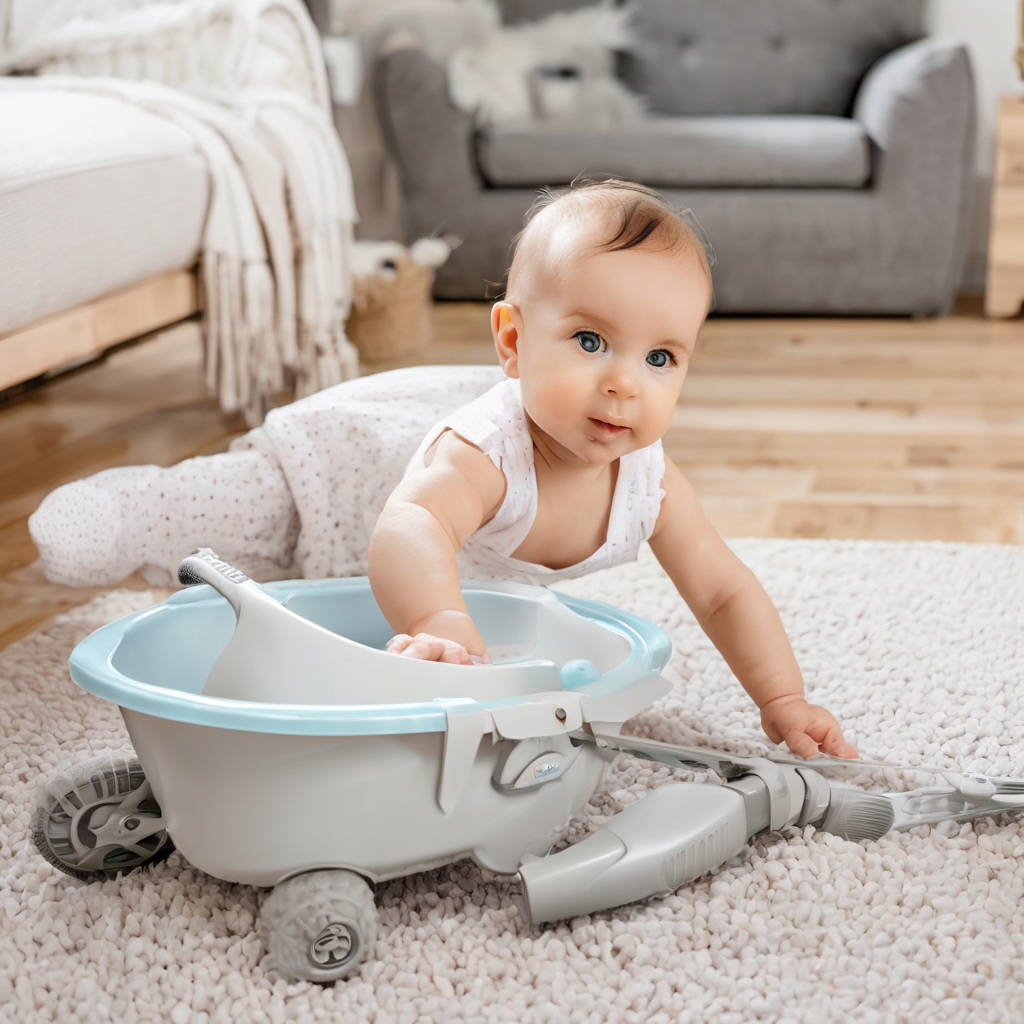
Soft surfaces such as carpets and upholstery can harbor dust, allergens, and residues. Choosing non-toxic carpet cleaners or steam cleaning methods helps maintain cleanliness without chemical exposure. Frequent vacuuming further reduces airborne particles, creating a healthier indoor environment for tiny lungs.
Ultimately, safe cleaning around babies is about thoughtful choices rather than perfection. By prioritizing gentle products, proper storage, ventilation, and chemical-free methods, you create a home that is not only clean but also nurturing. A baby-safe environment allows your little one to explore freely—while giving you peace of mind with every crawl, touch, and giggle.