
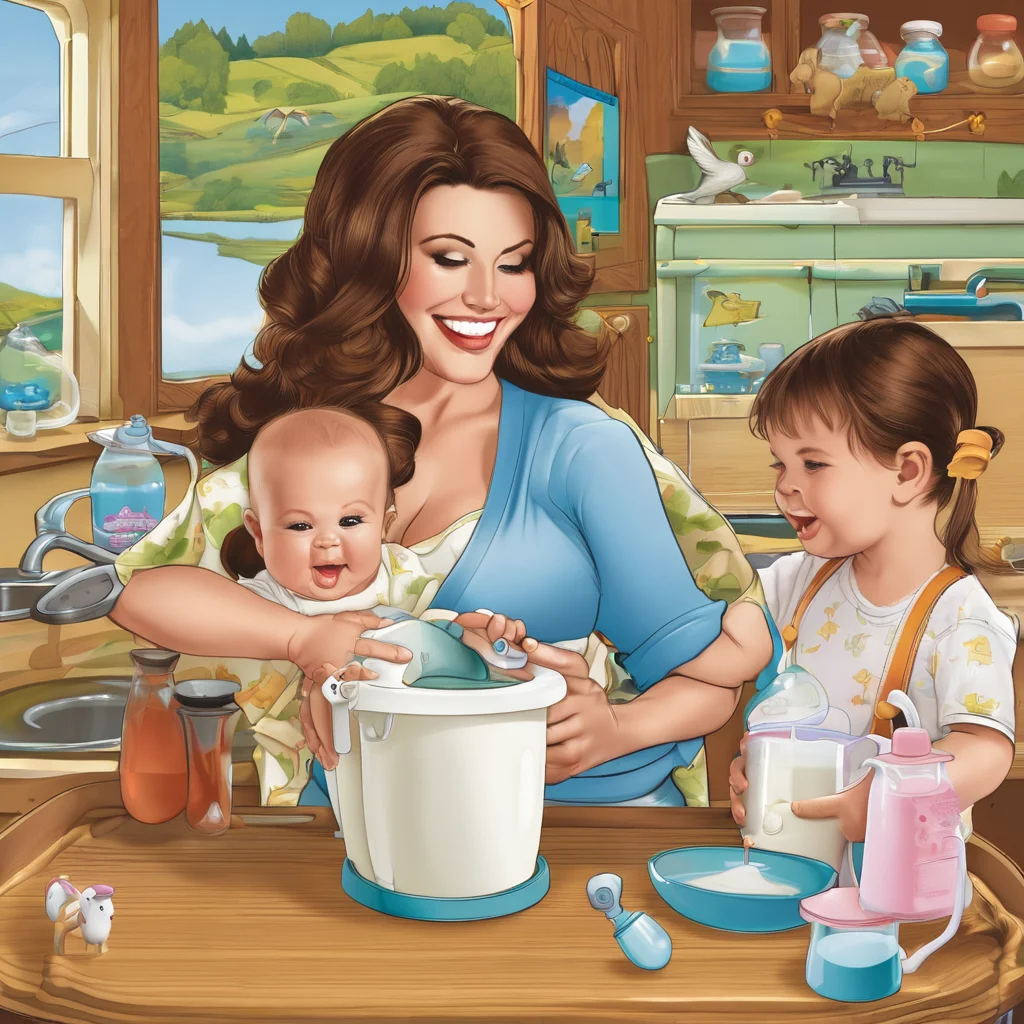
Pumping breast milk offers mothers a quiet form of independence without breaking the nourishing bond they share with their babies. It creates breathing room in daily life, allowing flexibility when work, travel, or unavoidable absences arise. While the practice can be deeply empowering, it also brings a set of practical and emotional challenges that deserve thoughtful attention. With the right approach, pumping can shift from feeling burdensome to becoming a manageable, even reassuring, part of motherhood.
At the heart of a positive pumping experience lies the breast pump itself. Choosing a pump that aligns with your lifestyle is not a luxury but a necessity. Manual pumps may suit occasional use, while electric or hands-free options often serve mothers who pump frequently or on a schedule. Factors such as suction strength, portability, noise level, and personal comfort should guide this decision, rather than price alone.
Consistency plays a decisive role in maintaining milk supply. Establishing a pumping rhythm—ideally one that mirrors your baby’s natural feeding pattern—helps your body understand when milk is needed. Regular intervals train your body to respond predictably, much like a well-rehearsed melody, sustaining production over time.
The environment in which you pump can quietly influence the outcome. A calm, private space encourages relaxation, which in turn supports milk flow. Whether it’s a softly lit corner at home or a designated room at work, comfort matters. Even small details—comfortable seating, warmth, or familiar scents—can help your body ease into the process.
Cleanliness is non-negotiable when it comes to pumping. Breast pump components should be washed and sanitized according to the manufacturer’s instructions after every session. Proper hygiene not only protects your baby but also preserves the quality of the milk, ensuring it remains safe and wholesome.
A mother’s body requires fuel to produce nourishment. Hydration and balanced nutrition are foundational to milk supply. Drinking water consistently throughout the day and eating meals rich in whole foods—fresh produce, grains, and protein—supports both energy levels and milk output. Neglecting these basics often shows its effects quickly.
Technique matters just as much as equipment. Gentle breast massage before or during pumping can encourage let-down, while adjusting suction levels may improve comfort and yield. Every body responds differently, so patience and experimentation are key. What works effortlessly for one mother may require adjustment for another.
Proper storage of expressed milk protects its value. Using designated storage bags or containers, clearly labeled with dates and times, helps maintain freshness and organization. Refrigerated milk should be used promptly, while frozen milk can be stored for months when handled correctly.
Emotional support can be just as vital as practical advice. Connecting with other breastfeeding mothers or consulting a lactation professional can provide reassurance, solutions, and perspective. Shared experiences often ease frustration and remind mothers they are not alone in the process.
Above all, self-care should never be an afterthought. Pumping places physical and emotional demands on the body. Rest, gentle breaks, and asking for assistance are not signs of weakness but acts of preservation. A supported mother is better equipped to support her baby.
In essence, pumping breast milk is a journey shaped by patience, adaptability, and self-awareness. With thoughtful preparation and realistic expectations, it can become a sustainable part of caring for your child. Each mother’s path is different, and honoring your own rhythm is what truly makes the experience successful.