Organizing baby clothes and supplies can feel overwhelming, especially with the sudden influx of tiny outfits, blankets, diapers, and accessories that arrive with a new baby. However, a well-organized system can save time, reduce stress, and help create a calm, functional environment for both you and your little one. With a thoughtful approach and a few practical strategies, keeping baby essentials in order becomes much more manageable.
The first step is to declutter and sort everything you have. Go through baby clothes and supplies and separate items that are too small, out of season, or no longer needed. These can be donated, stored for future use, or passed along to friends or family. Clearing out excess items right away helps prevent overcrowding and gives you a clean slate to work with.
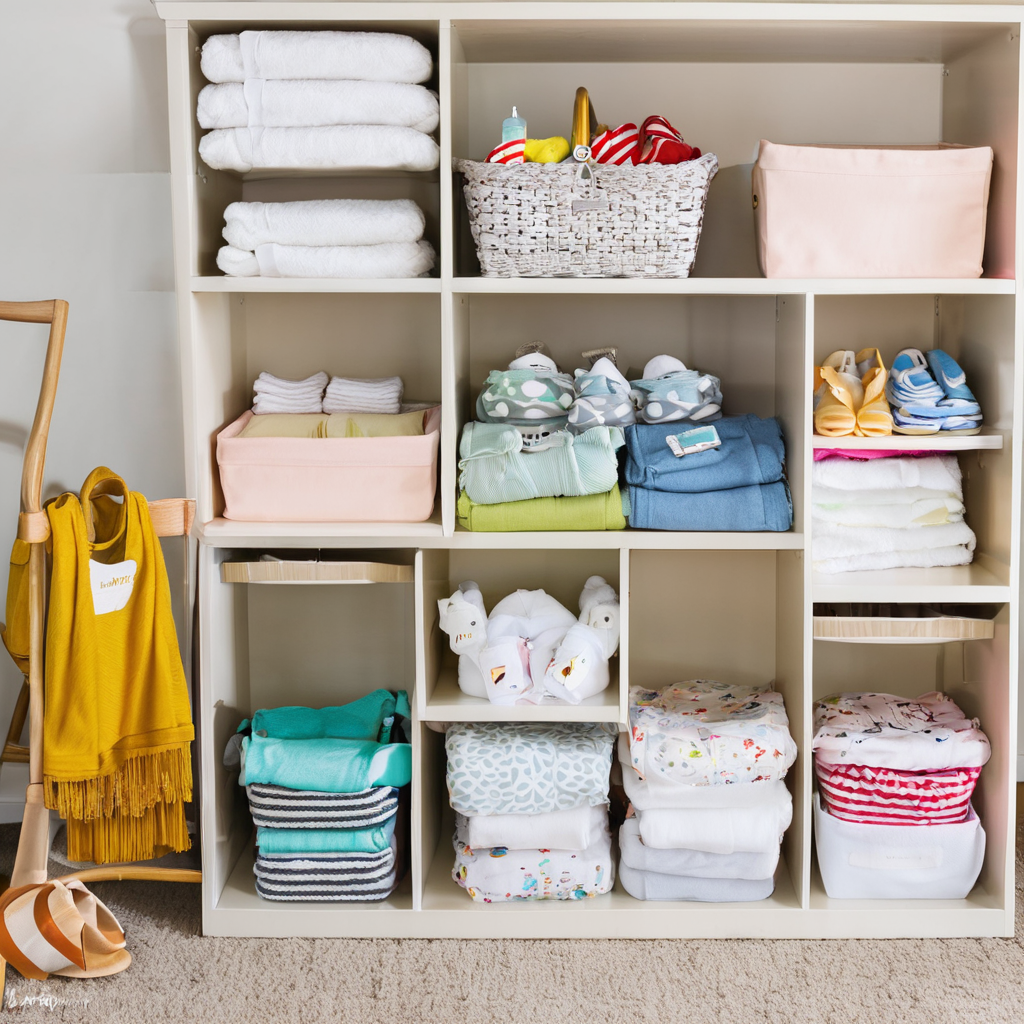
Once you’ve decluttered, organize what remains by category and size. Group similar items together—such as onesies, sleepers, pants, socks, and accessories—so they’re easy to find when you need them. Using bins, baskets, or shelves for each category creates structure and prevents items from getting mixed together or lost.
Choosing the right storage solutions makes a big difference. Hanging organizers are great for sorting clothes by size or type, while drawer dividers work well for small items like socks, mittens, and bibs. Clear bins or baskets are especially helpful for storing blankets, swaddles, and toys, as they allow you to see what’s inside at a glance without digging through everything.
Labeling your storage areas is another simple but powerful tool. Clearly labeled bins, drawers, or shelves help you find items quickly and make it easier for partners or caregivers to follow the same system. Labels also save time during busy moments when you need something fast, such as during a diaper change or outfit swap.
Maintaining organization is just as important as setting it up. Create a simple daily or weekly routine to put away clean laundry, restock supplies, and tidy up. Spending just a few minutes each day helps prevent clutter from piling up and keeps everything in its proper place.
A clothing rotation system can also be incredibly useful. Babies grow quickly, and it’s easy for outfits to be forgotten before they’re worn. Rotate clothes regularly and store outgrown items in clearly labeled bins. This keeps drawers from becoming overcrowded and ensures that all clothing gets used before your baby outgrows it.
For supplies like diapers, wipes, and toiletries, set up a dedicated changing station. Keep everything you need within arm’s reach by using storage caddies or organizers. A well-stocked, organized changing area saves time and makes diaper changes smoother—especially during nighttime changes or busy moments.
Make the most of vertical space in your baby’s room or nursery. Wall-mounted shelves, hooks, and hanging organizers free up floor space while keeping essentials easily accessible. Hooks are perfect for bags, jackets, or hats, while shelves can hold books, toys, or decorative items, combining function with style.
As your baby grows, involve them in the organization process. Teach them to put toys, books, and clothes away in their designated spots. Child-friendly storage—such as low shelves, colorful bins, or picture labels—encourages independence and helps build good habits from an early age.
Finally, remember that organization is not a one-time task. Your baby’s needs will change as they grow, and your system should evolve with them. Be open to adjusting layouts, storage solutions, and routines as needed. Regularly reassessing what works ensures your space stays functional and stress-free.
In conclusion, organizing baby clothes and supplies doesn’t have to be complicated. By decluttering, categorizing, using smart storage solutions, and maintaining simple routines, you can create an orderly and welcoming space for your baby. A well-organized environment not only makes daily care easier but also contributes to a calmer, more enjoyable parenting experience.