
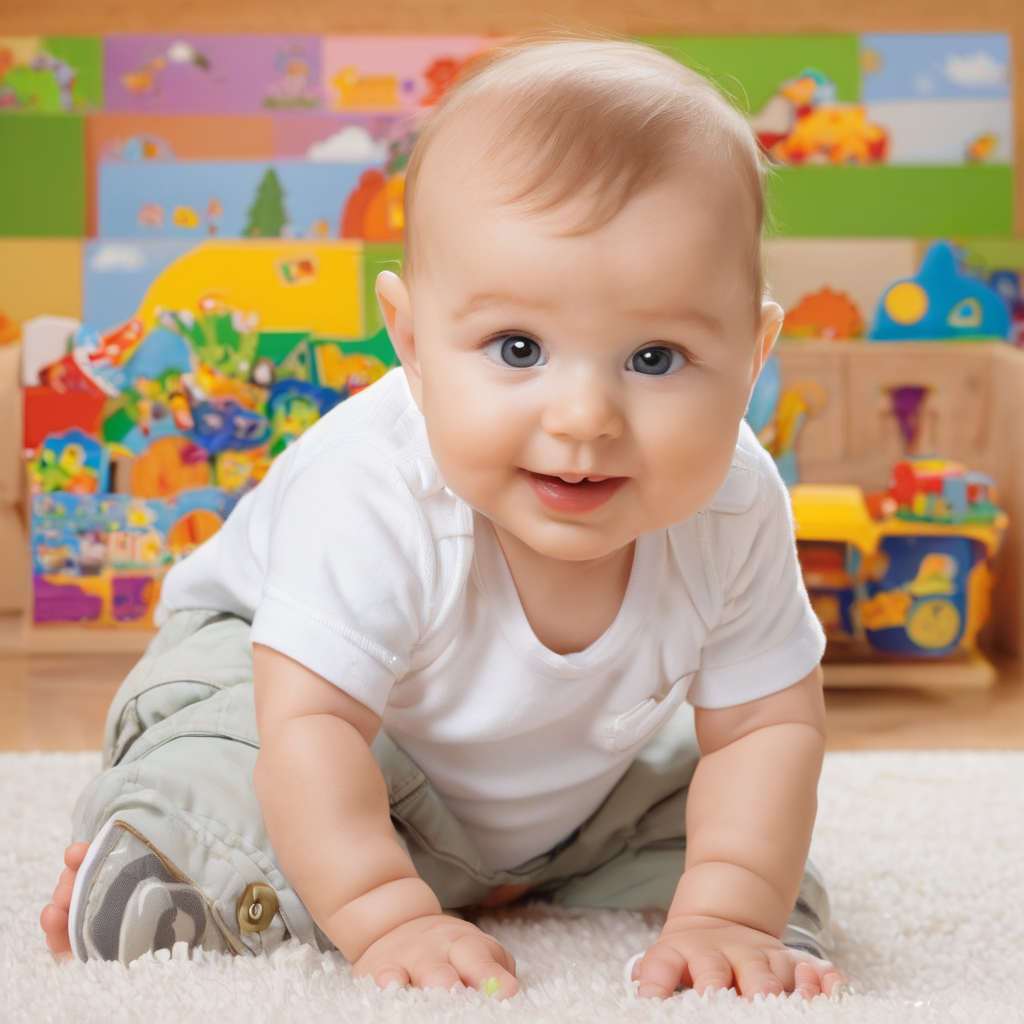
Language development in babies is a remarkable unfolding, one that accelerates with astonishing speed during the earliest chapters of life. From birth, infants arrive neurologically prepared to absorb linguistic patterns, attuned to the cadence, tone, and melody of the voices surrounding them. Studies consistently suggest that within mere months, babies can already distinguish the unique rhythms of their native language. This early sensitivity forms the cornerstone upon which communication, reasoning, and learning are later constructed.
As infants grow, their interactions with caregivers ignite the next phase of linguistic growth. Babbling emerges—not as random noise, but as deliberate experimentation. These vocal explorations strengthen the muscles involved in speech while allowing babies to test pitch, volume, and sound variation. Caregivers act as essential partners in this process. Through responsive exchanges and reciprocal vocal play—often described as conversational turns—babies begin to grasp the social mechanics of language, including timing, attention, and listening.
By approximately six months, comprehension begins to quietly take root. Babies start recognizing familiar words, especially those tied to meaningful relationships or routines. Names, common labels, and emotionally charged words gain significance. Alongside this growing understanding, gestures such as pointing, reaching, and waving appear, serving as bridges between thought and expression. This period signals the early integration of receptive understanding and expressive intent.
Between twelve and eighteen months, language growth often surges dramatically. Vocabulary expands at a rapid pace, sometimes seemingly overnight. First words emerge, followed by simple word pairings that hint at sentence structure. This stage thrives on exposure and engagement. When caregivers model accurate speech, expand upon a child’s attempts, and immerse them in rich verbal environments, they amplify linguistic momentum and confidence.
As children near their second year, language becomes increasingly purposeful. Toddlers use words not only to label objects, but to express emotions, narrate play, and negotiate desires. Pretend scenarios become more elaborate, fueled by language that supports imagination and symbolic thinking. Grammar begins to surface organically as children experiment with plurals, pronouns, and verb forms, refining expression through trial and repetition.
A defining milestone in this journey is the deepening link between understanding and production. Babies and toddlers gradually comprehend instructions, answer simple questions, and participate in rudimentary dialogue. Their speech becomes more flexible and expressive, enabling them to articulate needs, emotions, and ideas with growing precision. Language transforms from a tool of survival into a medium of connection.
By age three, most children possess a robust linguistic framework. Their vocabulary often spans several hundred words, and sentences grow longer and more complex. They begin to appreciate narrative structure, humor, and imaginative language, showing early awareness of metaphorical expression. At this stage, language development intertwines closely with cognitive growth, emotional insight, and social awareness.
Creating an environment rich in language remains essential throughout these formative years. Storytelling, music, conversation, and playful word exploration expose children to diverse vocabulary and expressive styles. Such experiences do more than build language; they cultivate curiosity, confidence, and relational depth. Varied linguistic input strengthens comprehension while encouraging expressive versatility.
Ultimately, language development in babies is neither linear nor uniform. Each child follows a unique rhythm, reaching milestones in their own time. With patience, encouragement, and meaningful interaction, caregivers can support this natural progression. Language is more than a skill—it is a gateway to learning, connection, and self-expression. Nurturing it from the earliest moments equips children with tools that shape relationships, academic pathways, and lifelong well-being.