
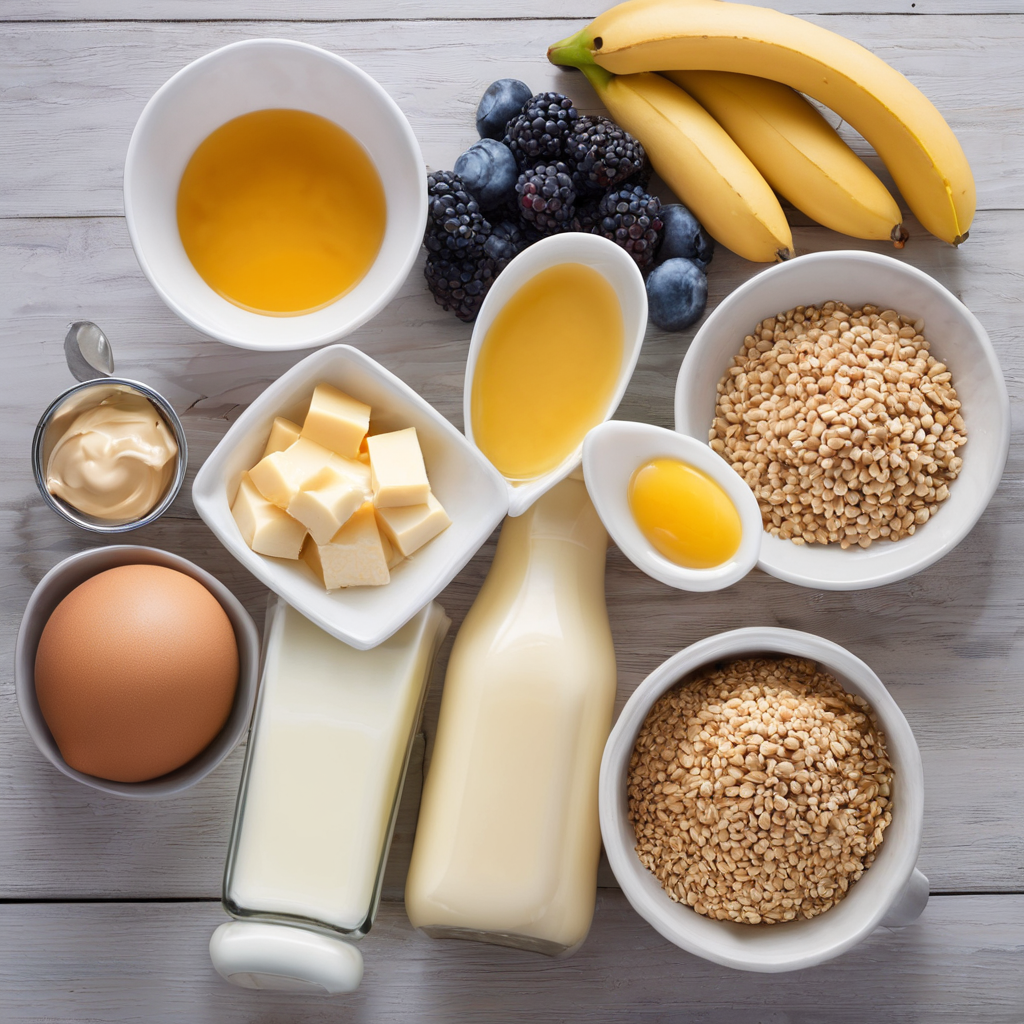
Breastfeeding is one of the most instinctive ways a mother nurtures her child, delivering nourishment that adapts naturally to a baby’s changing needs. Still, concerns about milk supply are common, especially in the early weeks or during growth spurts. While lactation is influenced by many factors—hormones, frequency of feeding, rest, and stress—nutrition also plays a meaningful supporting role. Thoughtfully chosen foods can help reinforce the body’s ability to produce milk and sustain maternal energy throughout the breastfeeding journey.
Oats are often embraced by nursing mothers for good reason. Dense in iron, slow-releasing carbohydrates, and fiber, oats provide steady energy rather than fleeting bursts. Whether enjoyed as warm porridge, blended into smoothies, or baked into snack bars, oats nourish the body while supporting milk output. Their beta-glucan content also contributes to digestive balance, which indirectly benefits overall maternal health.
Leafy greens, including spinach, kale, and collard greens, serve as nutritional anchors during breastfeeding. These vegetables are loaded with calcium, iron, and vitamin A—nutrients vital for bone strength, blood health, and immune function. Their natural phytoestrogen content may gently support hormonal balance, making them a valuable addition to meals in soups, sautés, or fresh salads.
Fenugreek has long held a place in traditional remedies for lactation support. Consumed as a tea, capsule, or culinary spice, this herb is believed to encourage milk production by stimulating sweat glands, which are structurally similar to mammary glands. While many mothers find fenugreek helpful, individual responses vary, and sensitivity or digestive discomfort can occur, making mindful use important.
Fatty fish such as salmon, sardines, and mackerel contribute more than just protein. Rich in omega-3 fatty acids, these fish support infant brain and visual development while enhancing the nutritional profile of breast milk. Including them in meals a few times weekly can strengthen both maternal health and infant growth.
Nuts and seeds provide compact nourishment ideal for busy breastfeeding days. Almonds, walnuts, flaxseeds, and chia seeds deliver healthy fats, plant-based protein, and fiber. These foods help stabilize blood sugar levels, sustain energy, and quietly support milk production without requiring elaborate preparation.
Garlic, though bold in flavor, has earned its place in many cultural diets for nursing mothers. Beyond its immune-supportive qualities, garlic has been associated with increased milk output in some women. When used sparingly in cooked dishes, it can enrich meals while offering subtle lactation support.
Hydration remains a cornerstone of breastfeeding success. Water fuels every system involved in milk production, and even mild dehydration can affect supply. Regular fluid intake throughout the day—plain water, herbal infusions, or lightly flavored drinks—helps maintain consistency. Keeping water nearby serves as a simple yet powerful habit.
Yogurt adds another layer of support through probiotics, beneficial bacteria that promote gut and immune health. For breastfeeding mothers, maintaining digestive balance can improve nutrient absorption and overall well-being. Yogurt also contributes protein and calcium, reinforcing the body’s nutritional reserves during lactation.
Lean meats such as chicken, turkey, and lean beef provide high-quality protein along with iron and zinc. These nutrients are essential for sustaining energy, supporting tissue repair, and maintaining milk production. Adequate protein intake helps mothers meet the physical demands of breastfeeding without excessive fatigue.
Papaya offers a refreshing nutritional boost with its rich supply of vitamins A, C, and E, along with folate and potassium. Traditionally valued in some cultures for lactation support, papaya also aids digestion through natural enzymes, creating internal balance that may indirectly favor milk production.
In summary, supporting breast milk production is less about relying on a single “miracle” food and more about embracing a varied, nutrient-rich diet. Whole foods, balanced meals, and consistent hydration work together to sustain both mother and baby. Because every body responds differently, personalized guidance from a healthcare provider or lactation consultant can be invaluable. Caring for your own nourishment is not secondary—it is foundational to a healthy, confident breastfeeding experience.