
Baby-Led Weaning Basics
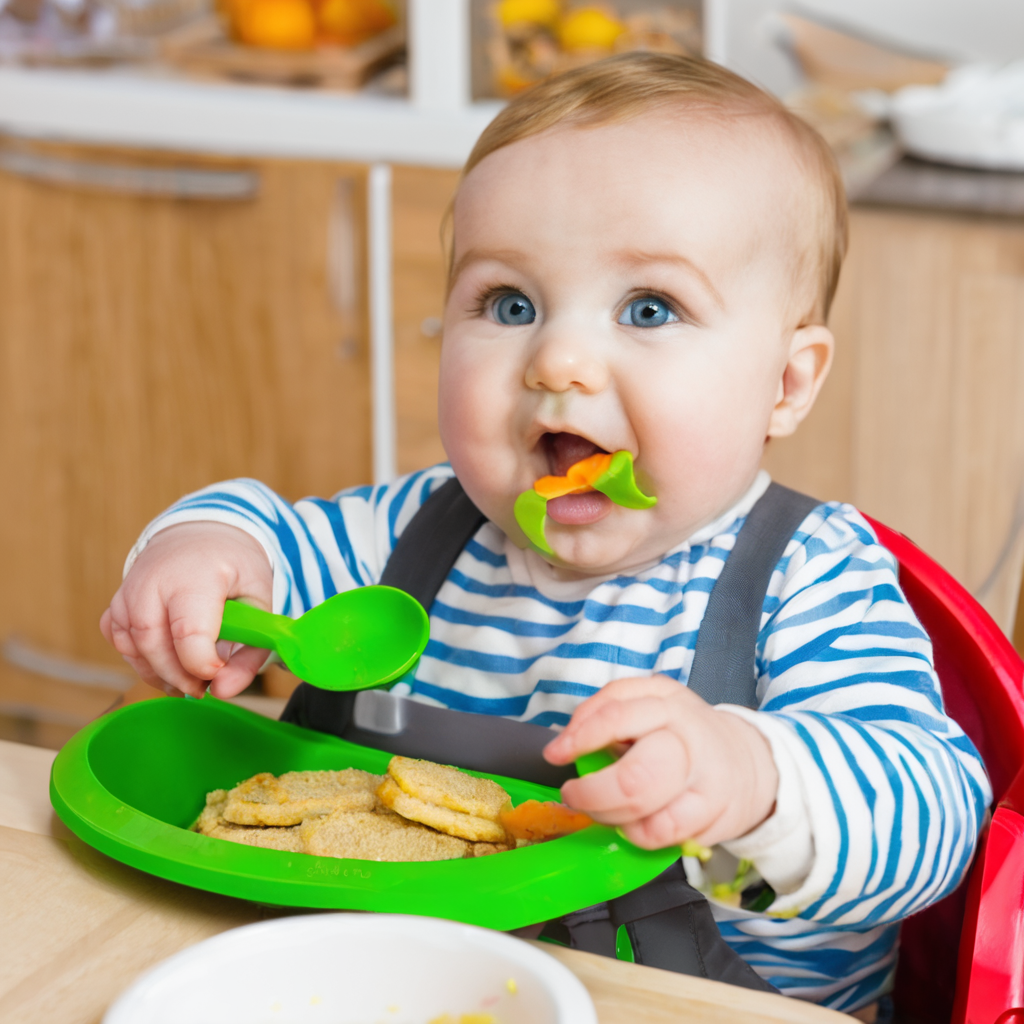
Baby-led weaning (BLW) is an approach to introducing solid foods that allows babies to feed themselves from the very beginning of their solids journey. Instead of being spoon-fed purées, babies are offered safe, age-appropriate pieces of whole foods that they can pick up, explore, and eat on their own. This method places the baby at the center of the feeding experience, encouraging independence and supporting natural development.
A core principle of baby-led weaning is self-regulation. Babies decide what to eat, how much to eat, and how fast to eat. This helps them learn to recognize their own hunger and fullness cues, which can support a healthy relationship with food later in life. By experiencing a wide variety of textures, flavors, and shapes early on, babies also build confidence and curiosity around food.
Safety is a crucial part of baby-led weaning. Foods should be prepared in ways that reduce choking risks, such as cooking foods until soft and cutting them into large, graspable shapes (often stick-sized). Babies should always be seated upright and closely supervised during meals. Parents should avoid high-risk foods such as whole nuts, hard raw vegetables, grapes, and popcorn, and it is helpful for caregivers to learn the difference between gagging (a normal protective reflex) and choking.
When starting baby-led weaning, many parents choose to introduce foods gradually and one at a time, especially common allergens, so they can watch for any reactions. Offering a variety of nutrient-rich foods—including fruits, vegetables, proteins, and grains—helps support healthy growth and development. Eating together as a family also plays an important role, as babies learn by watching others and participating in shared mealtime routines.
In the early stages, babies may spend more time touching, squishing, smelling, and tasting food than actually eating it. This exploration is a normal and important part of learning how to eat. There should be no pressure to consume large amounts; as babies develop better coordination and chewing skills, their intake will naturally increase.
Baby-led weaning can certainly be messy, but it is often a joyful and rewarding experience. Allowing babies to interact freely with food helps build positive associations with eating and may reduce picky eating behaviors later on. Involving babies in family meals and embracing the mess can turn mealtimes into fun learning opportunities.
As babies grow, their self-feeding skills improve, leading to greater independence and confidence. Parents can support this by continuing to offer a wide range of foods with different textures and flavors. Trusting a baby’s ability to manage their own intake helps create a calm, supportive feeding environment.
In conclusion, baby-led weaning is a gentle, empowering approach to starting solids that emphasizes independence, exploration, and trust. By prioritizing safety and following the baby’s cues, parents can support the development of healthy eating habits and a positive relationship with food. When babies are allowed to take the lead, mealtimes can become enriching experiences for the entire family.