
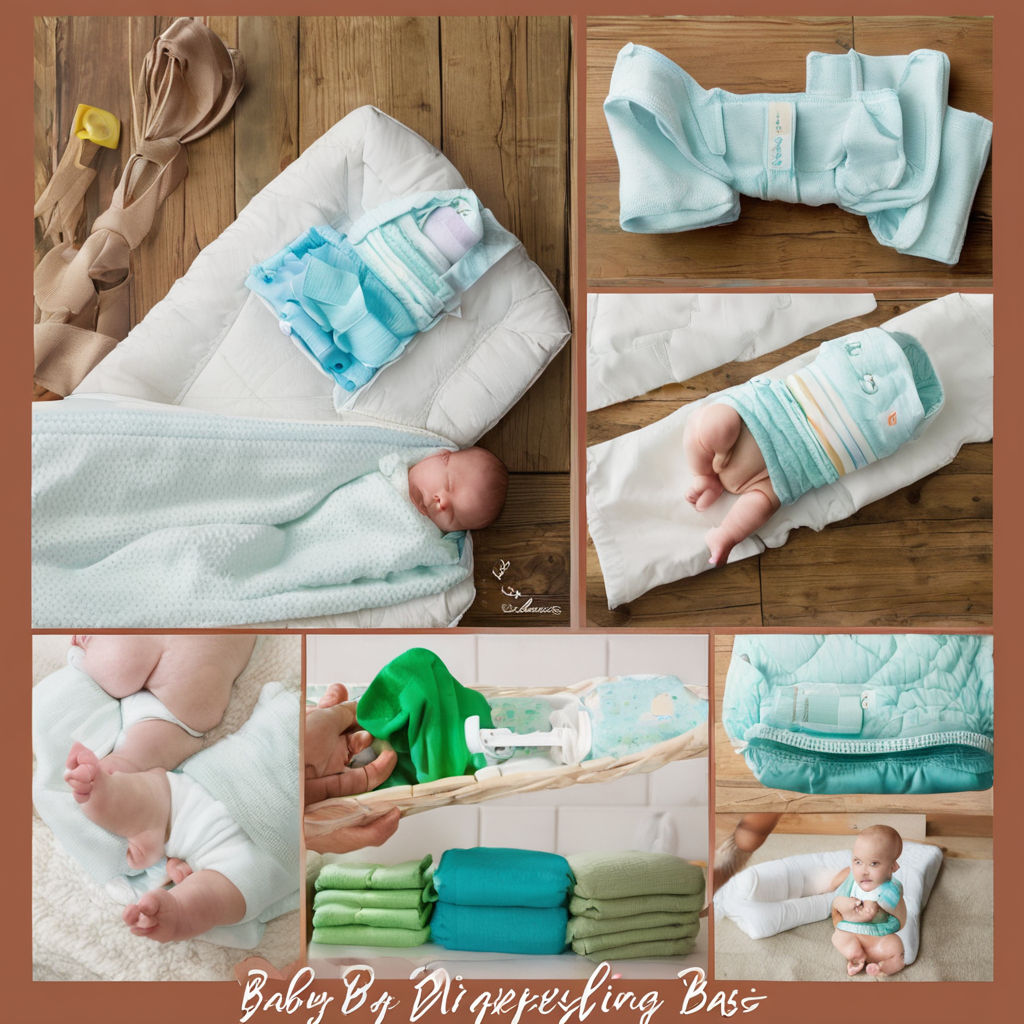
Diapering is one of those everyday rituals that quickly becomes part of life with a baby. For new parents, it can feel a little daunting at first; for experienced caregivers, it’s second nature. Either way, understanding the fundamentals of baby diapering is key to keeping your little one comfortable, clean, and happy. With the right approach, diaper changes can become a smooth, even bonding, part of your daily routine.
Choosing the right diaper is the foundation of a good diapering experience. Parents generally decide between disposable and cloth diapers. Disposable diapers are popular for their convenience and strong absorbency, making them ideal for busy schedules and travel. Cloth diapers, on the other hand, appeal to families looking for an eco-friendly and budget-conscious option over time. Each has its advantages, so the best choice depends on your lifestyle, values, and what feels most manageable for you.
Once you’ve selected a diaper type, proper fit is essential. A diaper should sit comfortably around your baby’s waist and legs without being too tight. Gaps can lead to leaks, while an overly snug fit may cause red marks or irritation. Adjust the tabs or snaps carefully and check that the diaper allows your baby to move freely while still providing a secure seal.
Frequent diaper changes play a major role in maintaining good hygiene and preventing skin issues. As a general rule, babies should be changed every two to three hours, or immediately after a diaper becomes wet or soiled. Before you begin, have all your supplies within reach—clean diapers, wipes, and any creams you may need. Placing your baby on a changing mat or clean, stable surface helps keep both your baby and your surroundings safe.
During the change itself, gentle cleaning is key. Remove the soiled diaper and clean your baby’s skin carefully, wiping from front to back to reduce the risk of infection. After the area is clean and dry, applying a thin layer of diaper rash cream can help protect your baby’s sensitive skin. Finish by securing a fresh diaper snugly in place.
Disposing of used diapers properly helps keep your home clean and odor-free. Roll up the diaper, fasten it with the tabs, and place it in a diaper pail or sealed trash bag. Washing your hands thoroughly afterward is an important step in preventing the spread of germs. Many parents find that diaper pails with odor-control features make a noticeable difference in maintaining a fresh environment.
It’s also important to regularly check your baby’s skin for any signs of irritation or diaper rash. Redness, chafing, or small bumps may signal that it’s time to change diapers more frequently, try a different size, or switch brands. Keeping your baby dry and clean is one of the most effective ways to prevent diaper rash before it starts.
Beyond the practical steps, diaper changes can be a moment of connection. Talking, singing, or offering a favorite toy can help soothe your baby and make the process more enjoyable. These small interactions turn routine care into quality bonding time, reinforcing a sense of comfort and trust.
As your baby grows, their diapering needs will naturally evolve. Growth spurts, increased movement, and changes in sleep patterns may require adjustments in diaper size or style. If you notice ongoing discomfort or persistent diaper rash despite good care, consulting your pediatrician can provide helpful guidance.
In the end, mastering baby diapering is about consistency, attentiveness, and care. By choosing the right diapers, maintaining good hygiene habits, and creating a calm, positive routine, you can ensure your baby stays comfortable and protected. With time and practice, diaper changes become less of a chore and more of a confident, caring part of everyday parenting.