
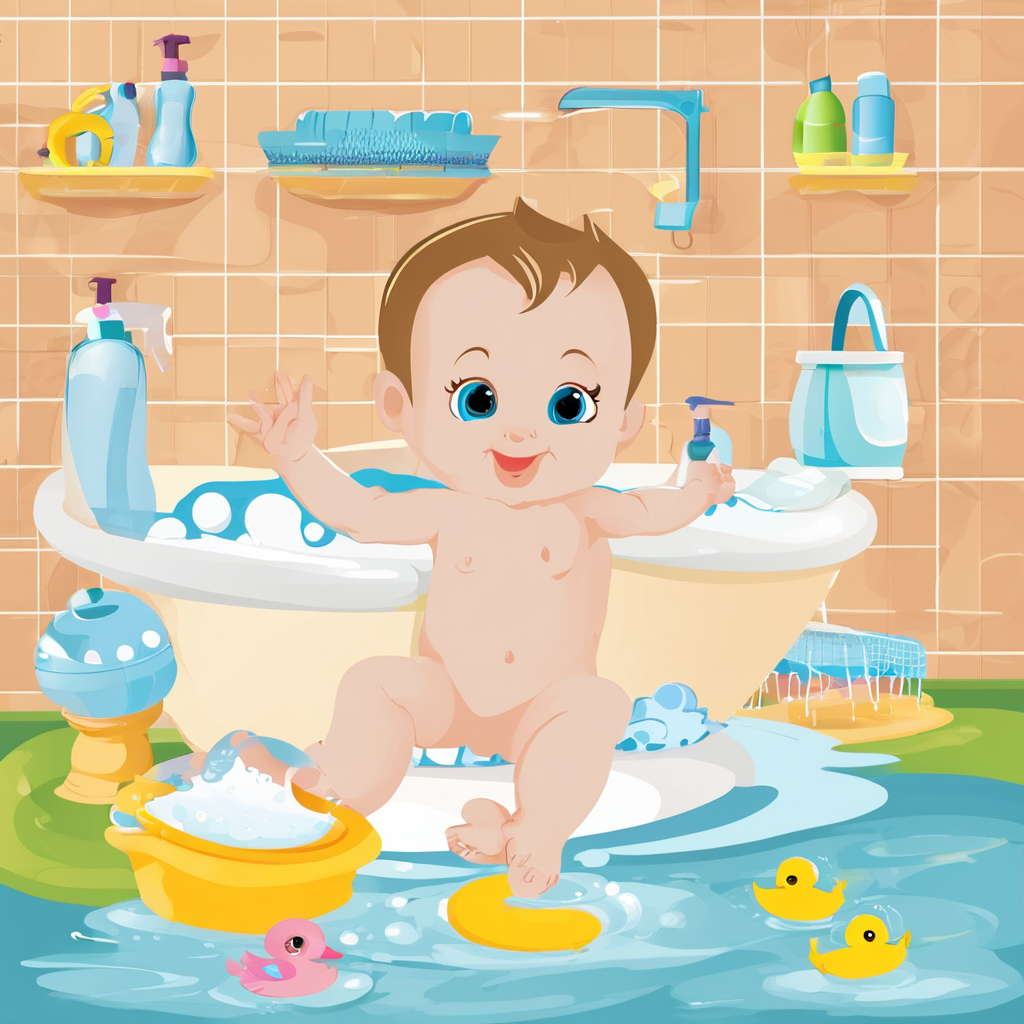
Bathing a baby can be one of the sweetest moments of early parenthood—warm water, tiny splashes, and that unmistakable baby smell afterward. Still, for many parents, especially those doing it for the first time, bath time can feel a little intimidating. The good news is that with a few simple tips and a calm approach, bathing your baby can become a safe, enjoyable, and meaningful routine. Below are ten essential tips to help you bathe your baby confidently and comfortably.
1. Create a Warm, Comfortable Environment
Before you begin, make sure the room is warm and free from drafts. Babies lose body heat quickly, so a cozy space helps keep them comfortable. The bath water should be lukewarm—around 37°C, close to body temperature. If you’re unsure, a bath thermometer or even your wrist or elbow can help you test the water safely.
2. Prepare Everything in Advance
Never leave your baby unattended, even for a moment. Before starting the bath, gather all necessary items: a soft washcloth, mild baby soap, a rinsing cup, a clean towel, and fresh clothes. Having everything within arm’s reach makes the process smoother and safer.
3. Choose a Bathing Method That Feels Right
You can bathe your baby in a small baby tub, a sink, or by giving a sponge bath. The best method is the one that feels most secure for you and suits your baby’s age and size. No matter the method, always support your baby’s head and neck to ensure stability and comfort.
4. Begin with Sponge Baths for Newborns
For newborns, sponge baths are recommended until the umbilical cord stump falls off and heals. Use a soft, damp cloth to gently clean your baby’s face, body, and diaper area. Take your time and make sure the skin is thoroughly but gently dried afterward.
5. Handle Your Baby with Gentle Care
A baby’s skin is extremely delicate, so gentle movements are essential. Use soft strokes and avoid scrubbing. Always keep one hand on your baby to support their head and body, especially if they are not yet able to sit up on their own.
6. Follow a Simple Cleaning Order
Start by washing your baby’s face with plain water, then move on to the body and finally the diaper area. Use only a small amount of mild baby soap and rinse thoroughly to remove any residue. Don’t forget to gently clean skin folds, such as under the arms, around the neck, and behind the ears.
7. Choose Mild, Baby-Safe Products
Stick to soaps and cleansers specifically designed for babies. Avoid products with strong fragrances, dyes, or harsh chemicals, as these can irritate sensitive skin. Gentle, fragrance-free, or natural options are often the safest choice.
8. Keep Baby’s Nails Trimmed
Babies’ nails grow surprisingly fast and can be sharp. Trimming them regularly helps prevent accidental scratches, especially during bath time when babies tend to move their hands. Use baby nail clippers and trim carefully to avoid the surrounding skin.
9. Dry with a Soft Touch
After the bath, wrap your baby in a soft, absorbent towel and gently pat the skin dry. Be sure to dry between skin folds, where moisture can linger and cause irritation. Avoid rubbing, as this can be uncomfortable for your baby’s sensitive skin.
10. Make Bath Time a Bonding Moment
Bath time isn’t just about getting clean—it’s a wonderful opportunity to connect. Talk to your baby, sing softly, smile, and maintain eye contact. These small interactions help your baby feel safe and loved, turning bath time into a comforting routine you both can enjoy.
In conclusion, bathing your baby doesn’t have to be stressful. With preparation, gentle handling, and the right products, bath time can become a calm and joyful part of your daily routine. By following these ten essential tips, you’ll not only keep your baby clean and safe but also create special moments of bonding that you’ll cherish as they grow.