
Baby Hearing Development: How Sound Shapes the Early Mind
Long before a baby opens their eyes to the world, sound has already begun its quiet work. Hearing is one of the earliest senses to awaken, and its development unfolds with remarkable precision. From the muffled rhythm of a heartbeat to the cadence of a familiar voice, these early auditory impressions become the scaffolding for learning, communication, and emotional connection. Understanding how hearing develops offers parents a clearer view into one of the most influential systems shaping a child’s early life.
The Origins of Hearing Before Birth
Hearing development begins well before delivery. Between roughly eighteen and twenty-five weeks of pregnancy, the structures of the ear take form, and the auditory system starts to function. At this stage, babies can already perceive sound vibrations filtering through the womb. The steady pulse of a mother’s heartbeat, the rise and fall of her voice, and even muted external noises stimulate the developing brain. These early sound encounters are not passive; they actively wire neural pathways that support future listening and language abilities.
Newborn Sensitivity to Sound
After birth, a baby’s world expands dramatically in volume and variety. Newborns are particularly responsive to sharp, high-frequency sounds, which explains their tendency to startle at sudden noises. At first, hearing is broad and undifferentiated, but exposure gradually refines perception. With time, babies begin distinguishing between voices, tones, rhythms, and intensities, sharpening their auditory awareness with each passing week.
From Hearing to Understanding
As the auditory system matures, hearing evolves into comprehension. By around six months of age, many babies can locate the source of a sound and respond to familiar cues, such as their name. Turning toward a voice or reacting to spoken patterns reflects more than hearing alone—it signals the brain’s growing ability to interpret and organize sound. This stage marks a critical bridge between raw auditory input and meaningful communication.
The Role of Everyday Interaction
Parents and caregivers are central to nurturing healthy hearing development. Ordinary interactions—speaking, singing, reading aloud—become powerful tools for auditory stimulation. These repeated sound experiences strengthen listening skills and support early language acquisition. A home filled with conversation, music, and gentle narration provides the brain with the variety it needs to grow receptive and responsive to sound.
Protecting Delicate Hearing
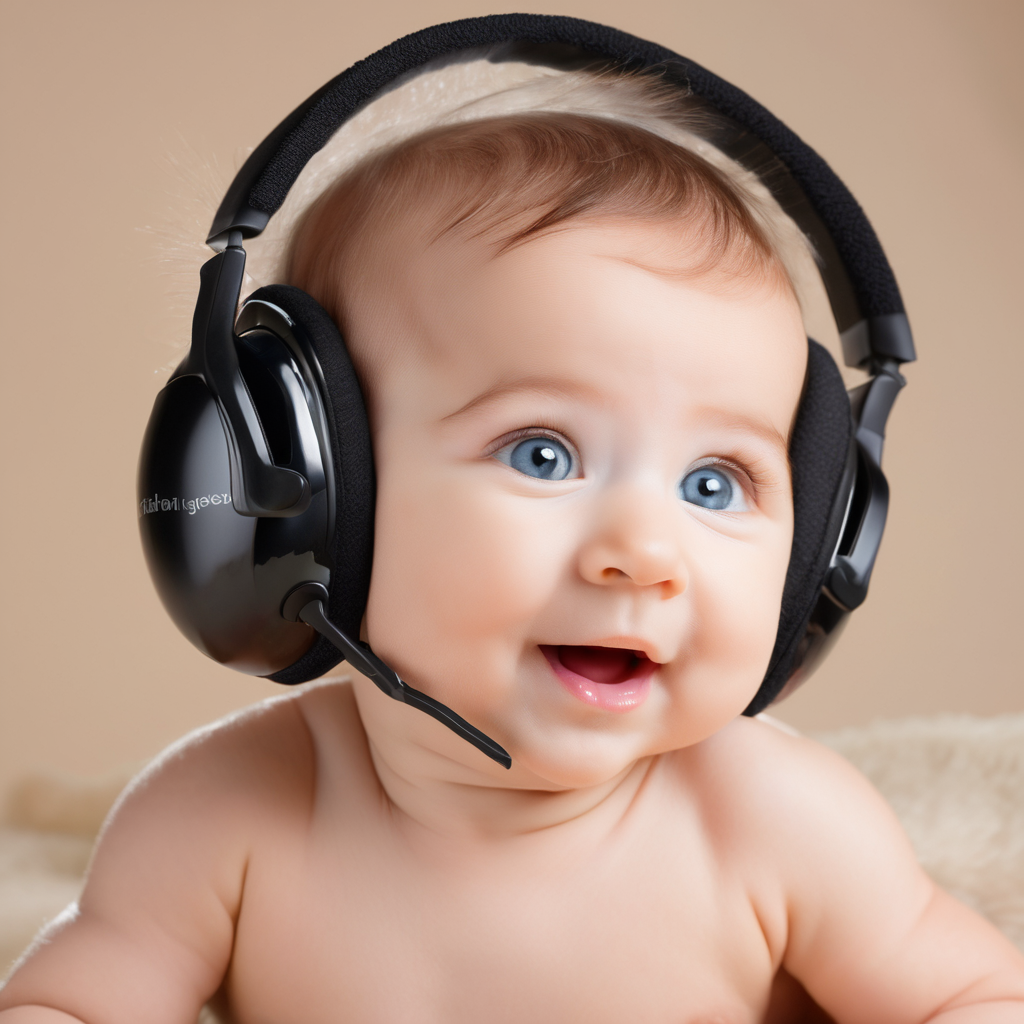
While exposure to sound is essential, protection is equally important. Infants’ ears are sensitive, and prolonged or intense noise can pose risks. Loud environments such as concerts, crowded events, or noisy machinery may overwhelm developing ears. Using appropriate ear protection and maintaining awareness of sound levels helps preserve hearing health and prevents avoidable damage.
Monitoring Hearing Health
Routine medical check-ups play a key role in ensuring proper auditory development. Infant hearing screenings and follow-up evaluations allow professionals to identify concerns early. When hearing issues are detected promptly, supportive interventions can be introduced before they interfere with speech, learning, or social engagement. Early attention often makes a lasting difference.
Hearing as a Gateway to Development
As babies grow, hearing becomes inseparable from nearly every aspect of development. It supports language learning, strengthens social bonds, and enhances cognitive growth. Through sound, babies learn patterns, emotions, and meaning. A thoughtfully enriched auditory environment helps them navigate and understand the world with greater confidence.
Final Reflections
Baby hearing development is an intricate and ongoing journey that begins before birth and evolves through early childhood. Each sound a baby encounters contributes to the architecture of communication and learning. By understanding this process and remaining attentive to auditory needs, parents can help establish a strong foundation for future language, connection, and growth. Nurtured hearing is not just about sound—it is about opening the door to understanding the world.