
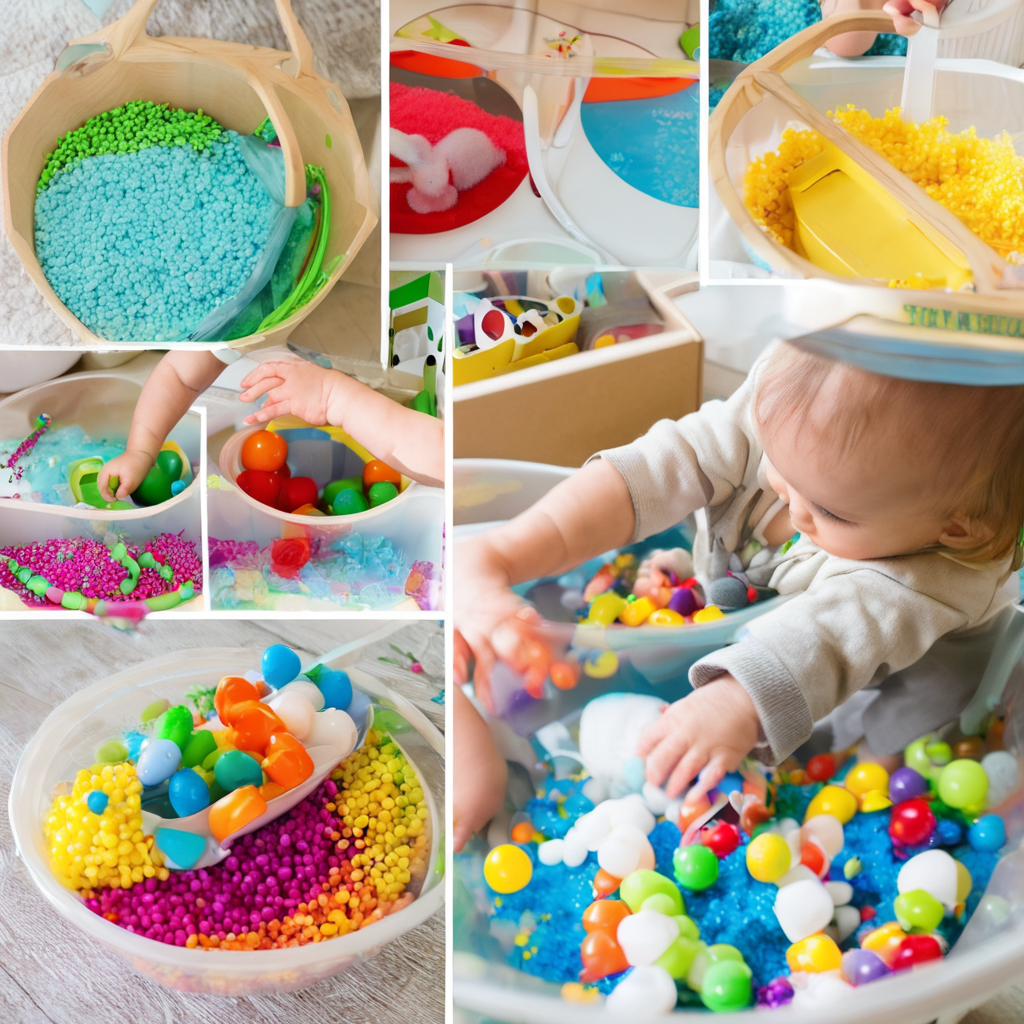
Sensory Play for Babies: Awakening the Mind Through Experience
Sensory play stands at the heart of early childhood development, acting as a gateway through which babies begin to understand the world. From the softness of fabric to the sound of a rattle, every sensory encounter feeds a rapidly growing brain. Babies are instinctively driven to touch, observe, taste, and listen, making sensory-based activities a natural and powerful way to support learning, awareness, and curiosity from the very beginning.
Strengthening Fine Motor Foundations
Through sensory play, babies learn to use their hands with purpose. Manipulating pliable materials, grasping textured objects, or splashing in water refines hand–eye coordination and strengthens small muscles in the fingers and wrists. These early movements may appear simple, yet they are essential rehearsals for more complex skills later in life, such as drawing, buttoning, and writing. Each squeeze, pinch, and reach quietly builds control and precision.
Fueling Cognitive Growth
Sensory experiences stimulate the brain by encouraging exploration and experimentation. When babies investigate new textures, sounds, or movements, they actively collect information and form mental connections. This process sharpens attention, nurtures curiosity, and introduces early problem-solving as babies test cause and effect—what happens when they shake, drop, or press an object. These moments of discovery become the building blocks of reasoning and learning.
Expanding Language Awareness
Language development is deeply connected to sensory input. As babies interact with varied materials and experiences, they are introduced to descriptive words, sounds, and expressions. Hearing caregivers name textures, colors, and actions helps babies associate words with experiences. Over time, this repeated exposure enriches vocabulary, strengthens comprehension, and supports early communication skills.
Supporting Emotional Balance
Sensory play also provides an emotional outlet. Engaging with soothing or stimulating materials can help babies release tension, manage overstimulation, and self-regulate. Whether it’s the calming effect of water play or the satisfaction of molding soft dough, these activities allow babies to process emotions in a safe and enjoyable way. This emotional exploration fosters confidence and resilience over time.
Encouraging Social Connection
When sensory play is shared, it becomes a social experience. Playing alongside caregivers or other children introduces early lessons in cooperation, turn-taking, and shared attention. These interactions strengthen bonds and help babies develop trust and communication skills. Even simple back-and-forth play nurtures social awareness and empathy.
Creating a Sensory-Rich Environment
Parents and caregivers can easily incorporate sensory play into daily routines. Household items often make the best tools—bins filled with rice or sand, textured boards, water trays, or sealed bottles filled with colorful objects. These activities invite exploration without the need for elaborate materials, offering endless variation and engagement.
Safety and Supervision
While sensory play is highly beneficial, attentive supervision is essential. Materials should always be age-appropriate, non-toxic, and free from choking hazards. By staying present and responsive, caregivers can guide exploration while ensuring a safe and positive experience.
Closing Reflections
Sensory play is more than simple entertainment—it is a powerful driver of development. Through touch, sound, sight, smell, and taste, babies learn how their world works and how they fit within it. By weaving sensory activities into everyday life, parents and caregivers nurture physical coordination, cognitive growth, emotional balance, and social connection. Embracing sensory play means giving babies the freedom to explore, imagine, and grow within a world rich in texture, sound, and wonder.