
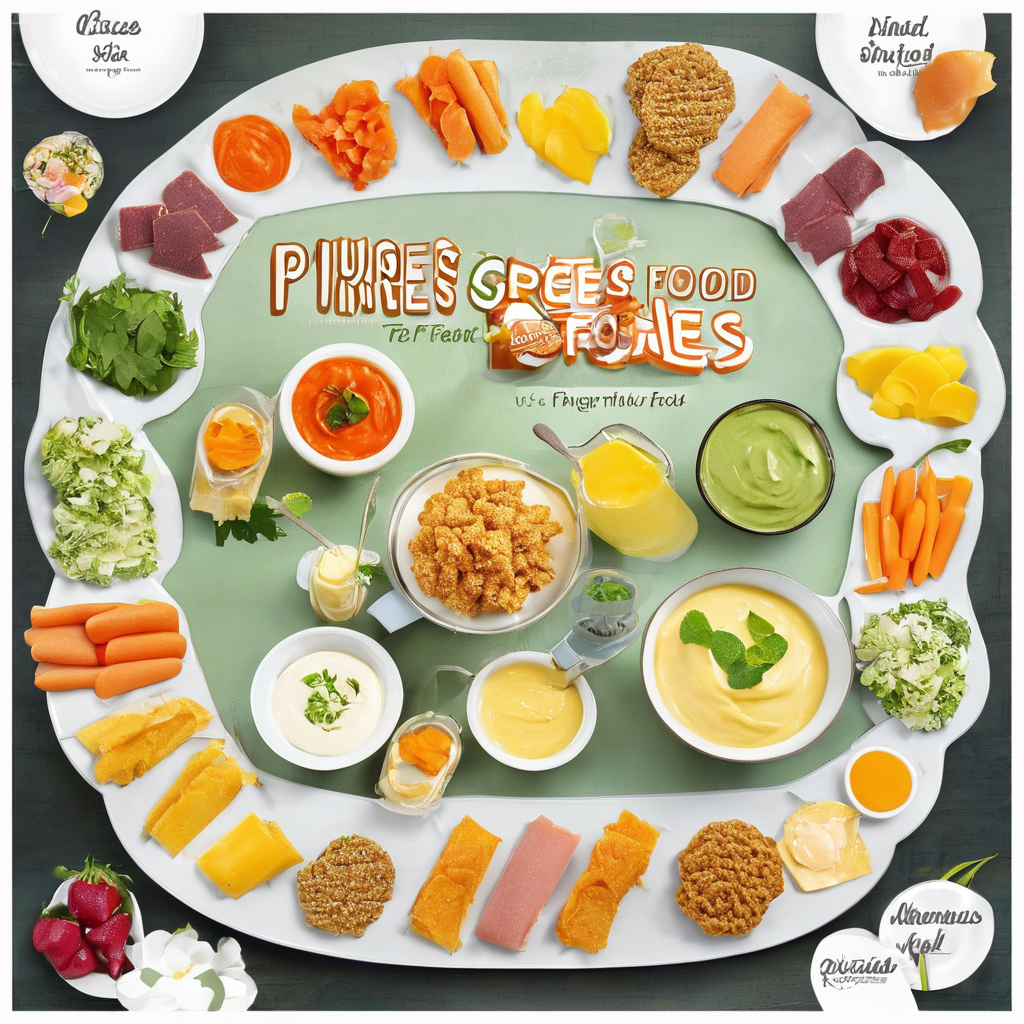
Purees vs. Finger Foods: Which Is Best for Your Baby?
When introducing solid foods to infants, many parents find themselves deciding between purees and finger foods. Both approaches offer unique benefits, and understanding their differences can help parents choose what best suits their baby’s age, development, and family preferences.
Purees are smooth, finely blended foods that are easy for babies to swallow without chewing. They are usually made by pureeing fruits, vegetables, grains, or proteins into a soft, spoon-fed consistency. Purees are often favored during the early stages of weaning because they are gentle on a baby’s developing digestive system and allow parents to monitor intake more closely. They can also feel less messy and more predictable for caregivers.
Finger foods, in contrast, are soft, bite-sized pieces of food that babies can pick up and feed themselves. Examples include steamed vegetables, soft fruits, or small pieces of pasta. Finger foods encourage independence, support hand–eye coordination, and help develop fine motor skills. While this approach can be messier and requires closer supervision, it allows babies to explore textures, smells, and flavors more naturally.
A key factor in choosing between purees and finger foods is the baby’s age and developmental readiness. Younger babies who are just starting solids may do better with purees, as they are still learning how to move food around their mouth and swallow safely. As babies grow and develop better chewing, grasping, and coordination skills, they may be ready to experiment with finger foods.
Nutrition is another important consideration. Purees make it easy to introduce a wide variety of nutrient-rich foods and ensure balanced intake of vitamins and minerals. Finger foods, on the other hand, allow babies to experience foods in their natural form, which can help build acceptance of different textures and tastes early on.
Every baby responds differently to texture changes. Some transition smoothly from purees to lumpier foods, while others need more time. Watching your baby’s cues—such as interest in self-feeding, ability to sit upright, and coordination in bringing food to their mouth—can help guide the transition.
Many families find that a combination approach works best. Parents may begin with purees and gradually add finger foods as confidence grows, or they may choose a baby-led weaning style that emphasizes finger foods from the start. Both methods can be effective when done safely and thoughtfully.
In conclusion, the choice between purees and finger foods is not about selecting one “right” method, but about finding the balance that works for your baby. Both approaches support healthy growth and development in different ways. By remaining flexible, responsive, and attentive to your baby’s readiness, parents can create a positive and enjoyable feeding experience that lays the foundation for healthy eating habits.