
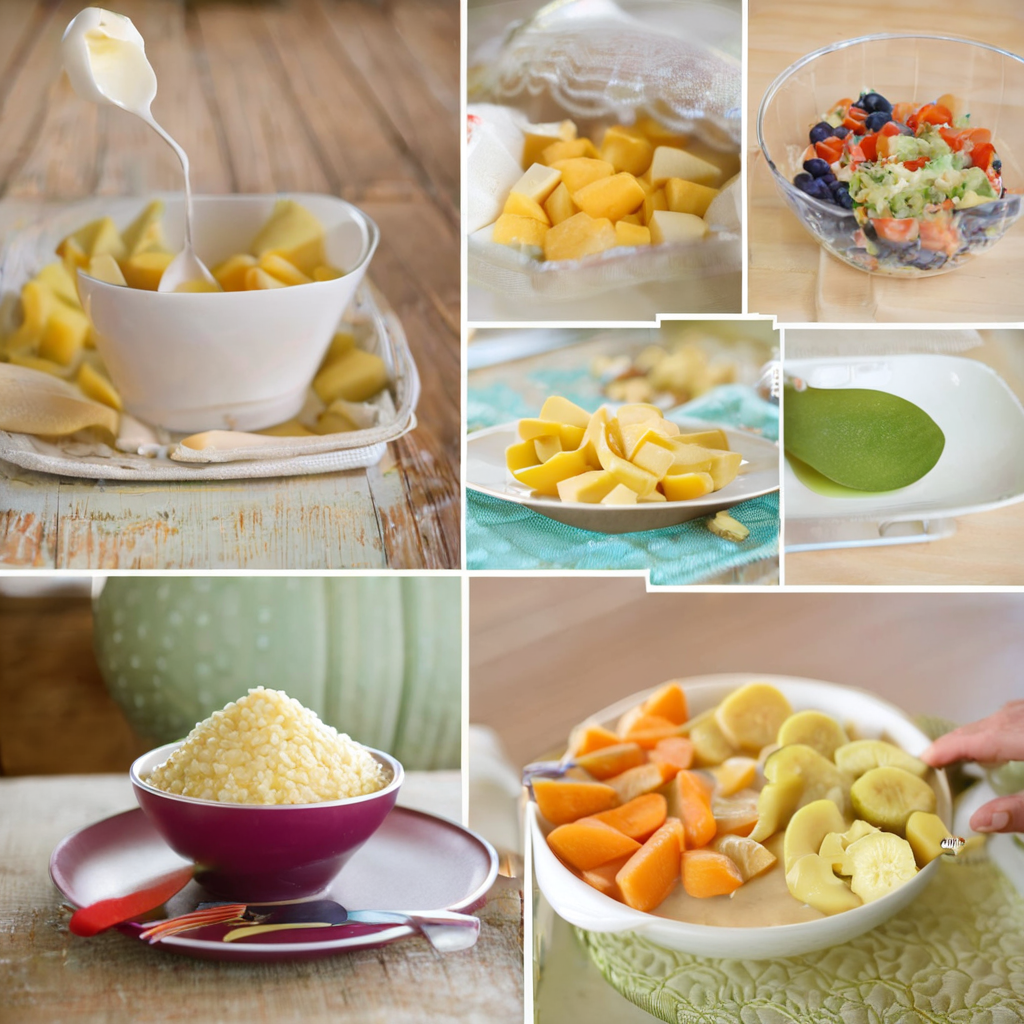
Introducing solid foods to your baby is an exciting and meaningful milestone in their early development. While it can feel overwhelming at first, approaching this stage with patience and knowledge can help make the experience enjoyable for both you and your baby. Choosing nutritious, age-appropriate first foods plays an important role in supporting healthy growth and building positive eating habits.
When beginning solids, it is generally recommended to start with single-ingredient foods such as iron-fortified rice cereal, puréed vegetables, or fruits. Offering one food at a time allows you to observe your baby for any signs of allergies or sensitivities. Waiting two to three days before introducing a new food can help you identify potential reactions more easily.
As your baby becomes comfortable with these simple foods, you can gradually introduce a wider variety of flavors and textures. Soft foods like mashed avocado, banana, or cooked sweet potato are excellent next steps. These foods are gentle on the digestive system and provide important nutrients such as healthy fats, vitamins, and minerals.
A balanced approach to first foods is important. Try to include a mix of vegetables, fruits, grains, and protein-rich foods as your baby progresses. Whenever possible, choose fresh, minimally processed ingredients. Homemade baby food can be a great option, as it allows you to control the ingredients and avoid added sugars, salt, and preservatives.
Pay close attention to your baby’s readiness cues during feeding. Signs that your baby may be ready for solids include sitting with support, showing interest in food, opening their mouth when food is offered, and being able to move food from the front of the mouth to the back to swallow. Allow your baby to explore new foods at their own pace without pressure.
As your baby grows, you can introduce more nutrient-dense options such as puréed meats, lentils, yogurt, and soft grains. These foods provide key nutrients like iron, protein, calcium, and zinc, which are especially important during infancy. Offering a variety of flavors early on can also help broaden your baby’s palate.
When it comes to allergenic foods such as peanuts, eggs, dairy, or fish, it’s best to follow your pediatrician’s guidance. In many cases, introducing these foods early and in safe forms may help reduce the risk of food allergies, but individual circumstances should always be considered.
It’s normal for babies to reject certain foods at first. Taste preferences develop over time, so continue offering a wide range of foods even if your baby initially refuses them. Encouraging self-feeding as your baby grows can help develop independence and fine motor skills.
As your baby transitions from purées to finger foods, ensure that foods are soft, appropriately sized, and cut to reduce choking risks. Always supervise mealtimes closely and avoid high-risk foods such as whole grapes, nuts, or hard foods. Creating a calm, safe eating environment helps your baby enjoy and focus on their meals.
In conclusion, introducing first foods is a special and rewarding phase in your baby’s development. By offering a variety of nutritious foods, following your baby’s cues, and maintaining a supportive feeding environment, you can help establish healthy eating habits that last a lifetime. Enjoy this journey of discovery as your baby explores new tastes and textures alongside you.