
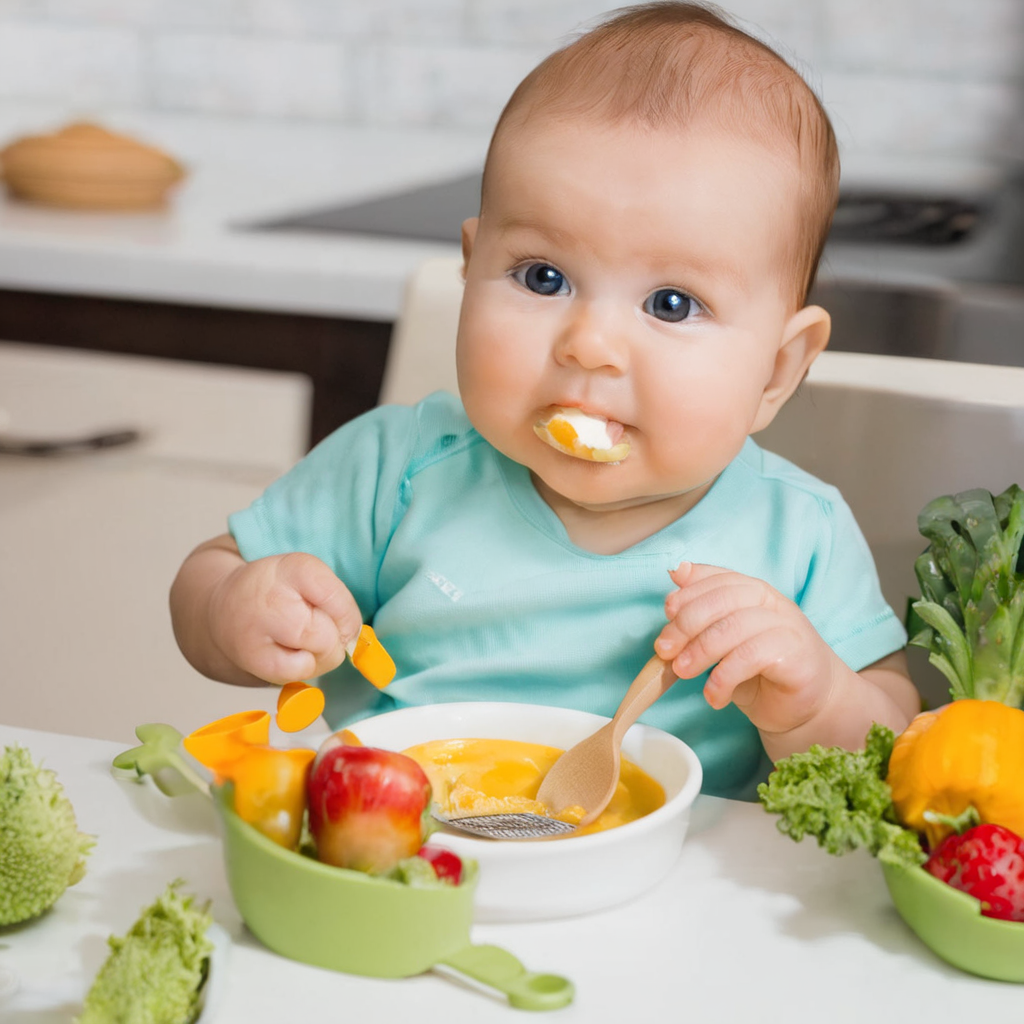
Introducing Solid Foods: A Key Milestone in Your Baby’s Growth
One of the most exciting milestones in your baby’s early development is the introduction of solid foods. Transitioning from exclusive milk feeding to purees and solid textures signifies not only physical growth but also the beginning of new sensory experiences. For many parents, knowing when to begin this transition can be daunting, yet recognizing the right time is essential for your baby’s health and well-being.
When to Begin Solid Foods
The American Academy of Pediatrics recommends starting solid foods around six months of age. By this stage, most babies have developed the muscle control and coordination needed to sit with support and handle solid foods safely. Waiting until this age also allows the digestive system to mature, reducing the likelihood of food sensitivities or allergic reactions.
Signs Your Baby Is Ready
Before introducing solids, watch for cues that indicate readiness. Signs include:
-
Showing interest in foods that others are eating
-
Ability to sit upright with minimal support
-
Steady head and neck control
-
Doubling of birth weight
While six months is the general guideline, every baby is unique. Some may show readiness earlier, while others may need a little more time. Observing your baby’s behavior and consulting with your pediatrician can help determine the optimal moment to begin solids.
Risks of Early Introduction
Introducing solids too soon can overwhelm a baby’s immature digestive system and increase the risk of food allergies, digestive discomfort, or even long-term obesity. Following the recommended timeline ensures that your baby’s nutritional needs are met while minimizing potential complications.
Starting Solids Safely
Begin with single-ingredient purees to monitor for potential food sensitivities. Ideal first foods include:
-
Rice cereal
-
Pureed fruits, such as apples or bananas
-
Vegetables like sweet potatoes or carrots
Start with small portions, gradually increasing the quantity as your baby becomes accustomed to eating solids.
Maintaining Milk Feedings
Breast milk or formula should remain the primary source of nutrition throughout the first year. Solid foods complement, rather than replace, milk feedings. Continuing regular milk intake ensures your baby receives the essential nutrients needed for growth and development.
Expanding the Diet
As your baby adapts to solids, gradually introduce a variety of foods to broaden taste preferences and ensure balanced nutrition. Include a mix of fruits, vegetables, grains, and proteins to support healthy growth. Introducing new textures and flavors also helps cultivate curiosity and enjoyment around mealtime.
Trust Your Instincts
Every baby develops at their own pace. Pay attention to your baby’s cues and comfort level, and consult your pediatrician if questions or concerns arise. This stage is a wonderful opportunity to watch your child explore new tastes, textures, and experiences, fostering a lifelong interest in healthy eating.
Conclusion
Introducing solid foods is a pivotal milestone in your baby’s development. By observing readiness cues, following the recommended timeline, and offering a variety of nutritious foods, you can ensure a smooth and enjoyable transition from milk to solids. With patience, attention, and guidance from your pediatrician, this stage becomes an enriching experience that sets the foundation for healthy eating habits and growth.