
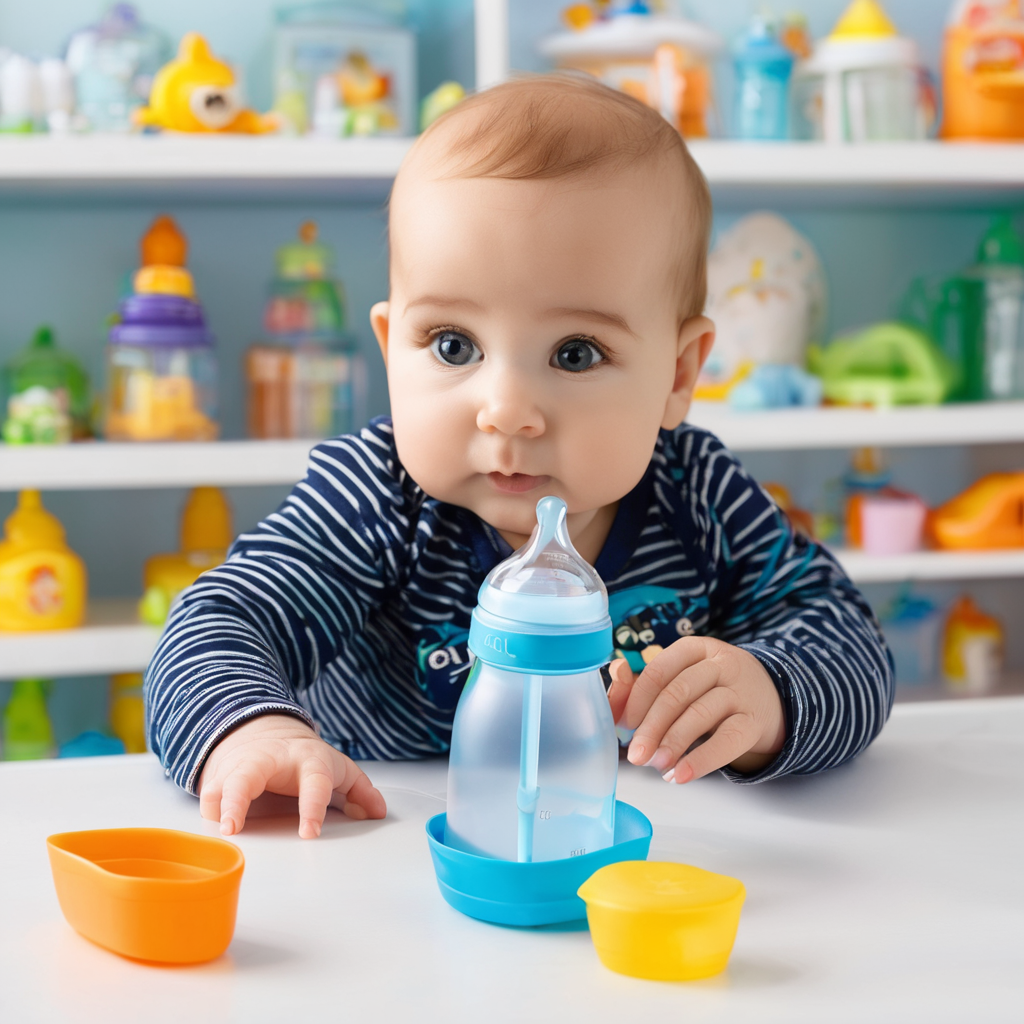
Selecting the right baby bottle is far more than a routine purchase; it is a decision that quietly shapes a baby’s daily nourishment, comfort, and overall development. Faced with shelves crowded by countless designs, materials, and promises, many parents find themselves uncertain about where to begin. Yet, when the choice is guided by safety, practicality, and a baby’s natural feeding instincts, clarity begins to emerge. Understanding what truly matters allows parents to choose a bottle that supports both healthy feeding and peace of mind.
One of the first and most decisive elements to examine is the material of the baby bottle. Plastic, glass, and stainless steel dominate the market, each bringing distinct qualities. Plastic bottles are lightweight and resilient, making them convenient for everyday use, but they must be certified BPA-free to prevent chemical exposure. Glass bottles, often favored for their purity, contain no harmful compounds and preserve milk quality, though their weight and fragility require careful handling. Stainless steel bottles, sturdy and long-lasting, offer a balance of safety and durability, appealing to parents seeking a robust alternative.
Equally influential is the design of the bottle nipple. Nipples vary widely in shape, texture, and composition, commonly made from silicone or latex. A well-designed nipple should echo the natural form of a mother’s breast, encouraging a smoother transition between breast and bottle. Babies, however, can be discerning critics; what suits one may frustrate another. For this reason, some experimentation is often necessary before finding a nipple that feels instinctive and reassuring to your baby.
Nipple flow rate is another detail that demands careful attention. Bottles are typically paired with nipples designed for specific developmental stages. Newborns benefit from a slow, measured flow that prevents overwhelming gulps, while older infants often prefer a faster pace that matches their growing appetite. Choosing the correct flow rate helps maintain a calm feeding rhythm and reduces the likelihood of coughing or discomfort.
Hygiene cannot be overlooked, making ease of cleaning a practical priority. Bottles that disassemble effortlessly allow for thorough washing, reducing the risk of bacteria or mold lingering in hidden crevices. Wide-neck bottles, in particular, simplify cleaning by accommodating brushes and allowing clear visibility, ensuring every surface is properly sanitized.
Bottle capacity should align with your baby’s feeding patterns. Smaller bottles are well-suited for newborns with modest intake, while larger ones become useful as babies grow and consume greater volumes. Having a selection of sizes on hand ensures flexibility as feeding needs evolve over time.
Leak-proof construction adds another layer of convenience, especially for parents on the move. Secure lids and reliable seals help prevent spills during feeding or transport. Ergonomic shapes also play a role, offering a comfortable grip that reduces strain during longer feeding sessions and allows babies to eventually hold the bottle themselves.
Some bottles incorporate specialized features designed to improve feeding comfort. Anti-colic vents, angled structures, or airflow systems aim to reduce the amount of air a baby swallows, helping to minimize gas and fussiness. For infants prone to digestive sensitivity, these thoughtful details can make a noticeable difference.
Cost and overall value should be weighed with a long-term perspective. While budget-friendly options may seem appealing, investing in well-crafted, safe bottles often proves more economical over time. Durability, trusted materials, and thoughtful design justify the expense when a baby’s health and comfort are at stake.
In essence, choosing the right baby bottle is a blend of observation, research, and responsiveness to your baby’s cues. By considering material safety, nipple functionality, cleanliness, and supportive features, parents can create a feeding experience that feels natural and nurturing. Every baby is unique, and flexibility is key—sometimes the perfect bottle is discovered only through gentle trial and adjustment.