
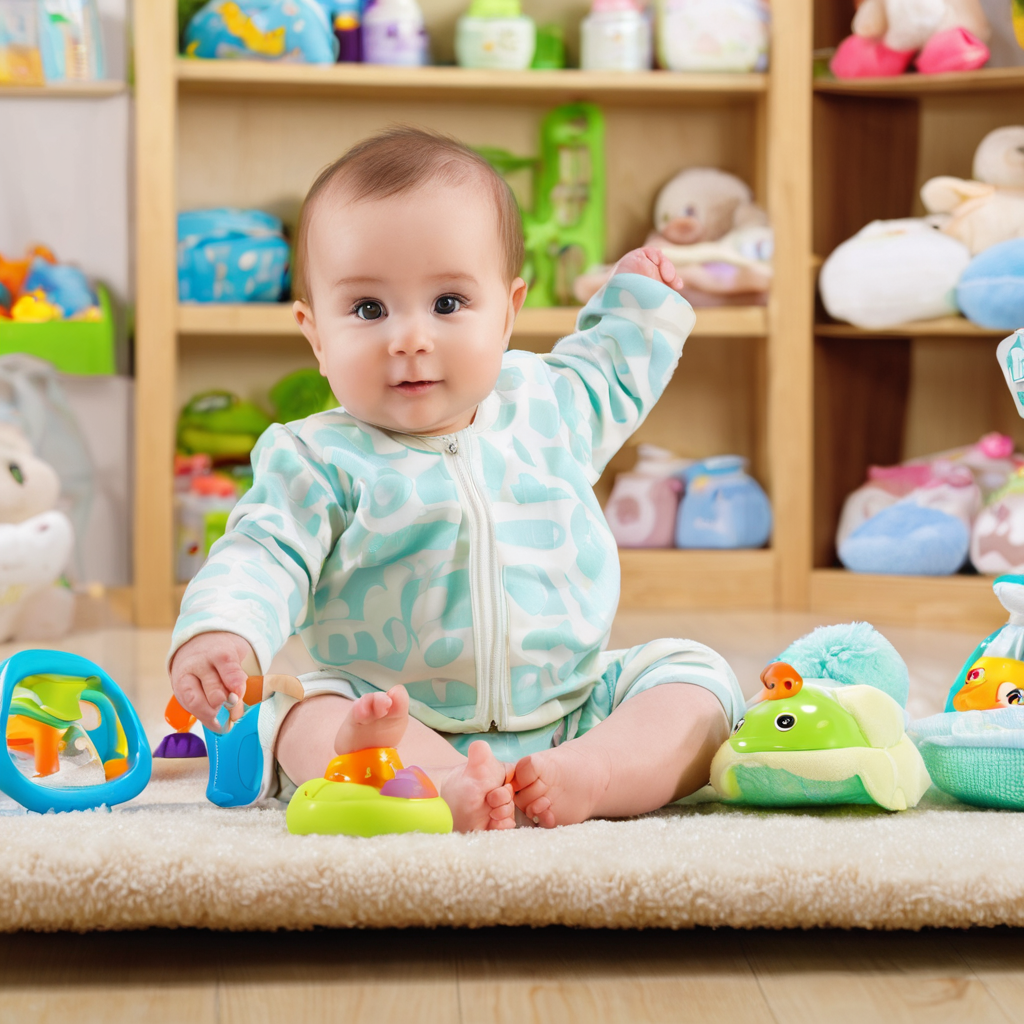
Selecting baby products often feels like navigating a crowded bazaar with a fragile treasure in your arms. For new parents, abundance can be as daunting as scarcity. Shelves groan under endless choices, each promising comfort, convenience, or brilliance. Yet beneath the marketing gloss, one principle must eclipse all others: safety. Every crib slat, stroller buckle, bottle nipple, and plush toy becomes a silent guardian—or a hidden risk—within your child’s earliest world. Thoughtful selection is not optional; it is foundational.
Below are considered, practical ways to approach baby product choices with vigilance and confidence.
- Investigate Before You Invest
Pause before purchasing. Explore manufacturers, examine reputations, and sift through firsthand accounts from other parents. Reviews often reveal what packaging conceals—durability, hidden flaws, or reassuring reliability gained through real use. - Verify Safety Endorsements
Trust symbols that are earned, not invented. Seals from recognized authorities such as the Juvenile Products Manufacturers Association (JPMA) or the Consumer Product Safety Commission (CPSC) indicate compliance with established safety benchmarks. Their presence is not decorative; it is deliberate. - Scrutinize the Item on Arrival
Treat every new product like a final inspection before takeoff. Look closely for cracks, sharp edges, unstable joints, or detachable fragments. Anything that wiggles when it should not, or loosens too easily, deserves suspicion. - Be Wary of Secondhand Essentials
While passed-down baby clothes often pose little risk, equipment is another matter. Car seats and cribs age poorly in silence. Standards evolve, materials weaken, and unseen stress can linger. Savings are never worth a compromised safeguard. - Choose Materials with Integrity
Infants explore the world mouth-first. Favor items crafted from BPA-free plastics, untreated wood, or organic textiles. Sidestep products laden with chemical finishes or artificial additives that may leach or linger. - Match the Product to the Child’s Stage
A baby’s abilities change faster than seasons. What is harmless one month can be hazardous the next. Select items calibrated precisely to your child’s developmental phase, especially toys that could become unintended choking threats. - Trial Before Trust
Before your baby ever settles in, test the product yourself. Push the stroller, lock the crib rails, adjust the harness. Safety mechanisms should feel intuitive, not puzzling, and operate smoothly without force. - Install with Precision
Assembly is not the place for improvisation. Whether anchoring a car seat or building a high chair, follow the manufacturer’s instructions meticulously. One skipped step can unravel the entire safety equation. - Register What You Buy
Product registration is an overlooked shield. By enrolling with manufacturers, you ensure that recall notices or safety advisories reach you directly, allowing swift action should concerns arise. - Honor Your Parental Instincts
Data matters—but intuition carries weight. If a product feels questionable or sparks unease, listen. Set it aside and seek clarification. A parent’s discernment is often sharper than any instruction manual.
By approaching baby products with deliberation rather than haste, you cultivate an environment where safety is woven into daily life. These early choices, though seemingly small, form the scaffolding of trust and protection around your child. In the end, careful selection is not about perfection—it is about presence, awareness, and unwavering care.